


Nigeria’s Non-Oil Exports Gain Ground as Economy Seeks Life Beyond Crude
For decades, crude oil has been at the centre of Nigeria’s economy, providing a major source of export earnings and government revenue.
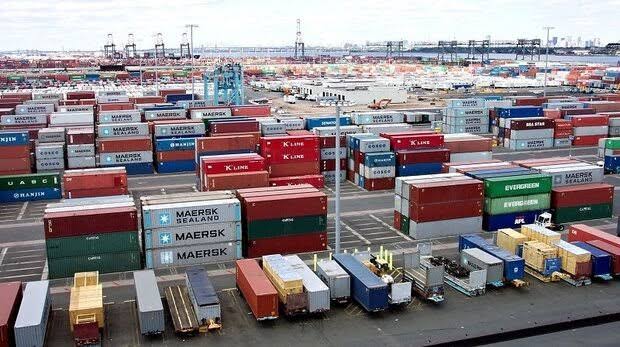
But as oil production faces constraints and global energy markets become increasingly uncertain, Nigeria is looking beyond crude for new sources of foreign exchange and economic growth.
The shift is already showing in the numbers. Nigeria’s non-oil exports reached a record $6.1 billion in 2025, an 11.5 per cent increase from the previous year, according to the Nigerian Export Promotion Council.
The country exported 281 different non-oil products, including cocoa and its derivatives, urea, cashew nuts, sesame seeds and gold doré. Export volumes also rose by about 10 per cent to 8.02 million metric tonnes.
The diversification extends beyond agricultural commodities. Processed products, industrial inputs, petrochemicals and services are increasingly part of the conversation about how Nigeria can capture more value before products leave the country.
The International Monetary Fund has also urged Nigeria to reduce its reliance on oil revenues, identifying stronger non-oil exports as important to building resilience against external shocks.
Yet the challenge is not simply producing more. Poor infrastructure, trade bottlenecks, financing constraints and limited processing capacity continue to restrict how much value Nigerian businesses can capture from international markets.
For Nigeria, the emerging non-oil export economy could therefore represent more than an alternative source of dollars. If supported by investment and deeper local processing, it could help create jobs, broaden the tax base and make Africa’s largest economy less vulnerable to the boom-and-bust cycles of crude oil.
