


Nigeria’s State Police Plan Clears Major Hurdle as 28 Assemblies Approve Amendment
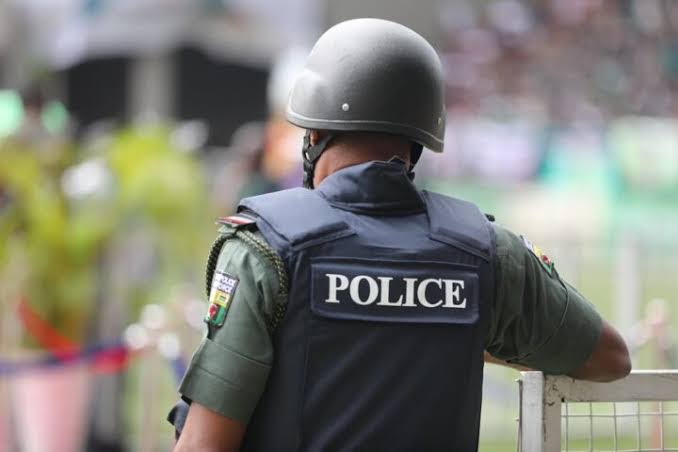
Nigeria’s proposed state police system has moved closer to becoming law after 28 State Houses of Assembly approved the constitutional amendment required to establish state-controlled police forces.
The National Assembly confirmed the approvals on Tuesday, November 3, 2026, saying the figure exceeds the constitutional requirement of at least 24 state legislatures — two-thirds of Nigeria’s 36 states — for a constitutional amendment to proceed.
The Clerk to the National Assembly, Kamoru Ogunlana, said his office had verified the approvals and accompanying legislative records, confirming that the required threshold had been met.
The bill, known as the Constitution of the Federal Republic of Nigeria, 1999 (Sixth Alteration) Bill, 2026, was passed by the Senate in June and the House of Representatives in July before being sent to state legislatures for approval in September.
The National Assembly has begun administrative preparations to transmit the amendment to President Bola Tinubu for assent.
If enacted, the reform would allow states to establish their own police services alongside the existing federal police structure, marking a major shift from Nigeria’s centralised policing system.
Supporters argue that state police could improve local intelligence gathering and enable faster responses to security threats, including kidnapping, banditry and communal violence. Critics, however, have raised concerns about potential political interference, human rights abuses, funding and accountability.
Although the required state-level approval has been secured, the proposed amendment has not yet become law. Further constitutional procedures, including presidential assent, remain part of the process.
