


Oil Surge Signals Deeper Economic Risks as Asia Markets Turn Cautious
Rising oil prices are emerging as the dominant signal in global markets after diplomatic efforts to end the Iran conflict stalled, overshadowing declines across Asian equities.
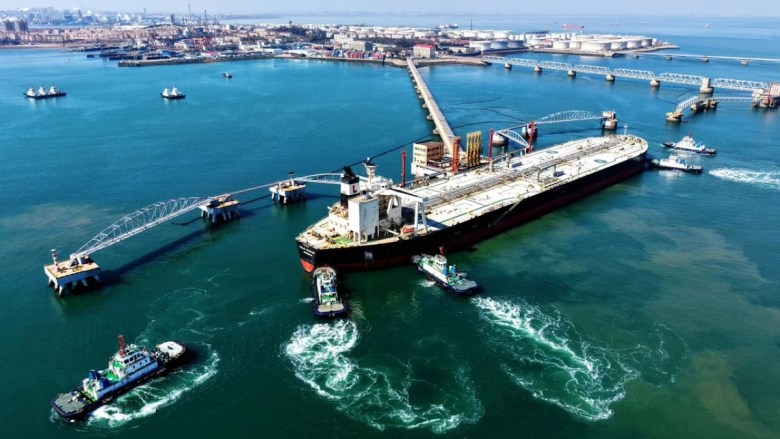
While stock markets across Asia mostly edged lower, analysts say the more significant development is the steady climb in crude prices, which reflects growing fears of prolonged disruption to global energy supply. The impasse in negotiations has heightened concerns over instability around key oil transit routes, tightening supply expectations.
Market observers note that the reaction goes beyond routine volatility. Higher oil prices are likely to feed directly into inflation, increase production costs, and strain import-dependent economies—particularly across Asia, where many countries rely heavily on energy imports.
The situation is also putting pressure on regional currencies and could complicate monetary policy decisions, as central banks weigh inflation risks against slowing growth.
Rather than a short-term market dip, analysts increasingly view the trend as a warning sign of broader economic stress if the conflict drags on. For global markets, the key risk is no longer just geopolitical tension—but its growing spillover into inflation, trade, and economic stability.
