


Ribadu Links Sokoto Security Gains to Safer Farms, Schools and Markets
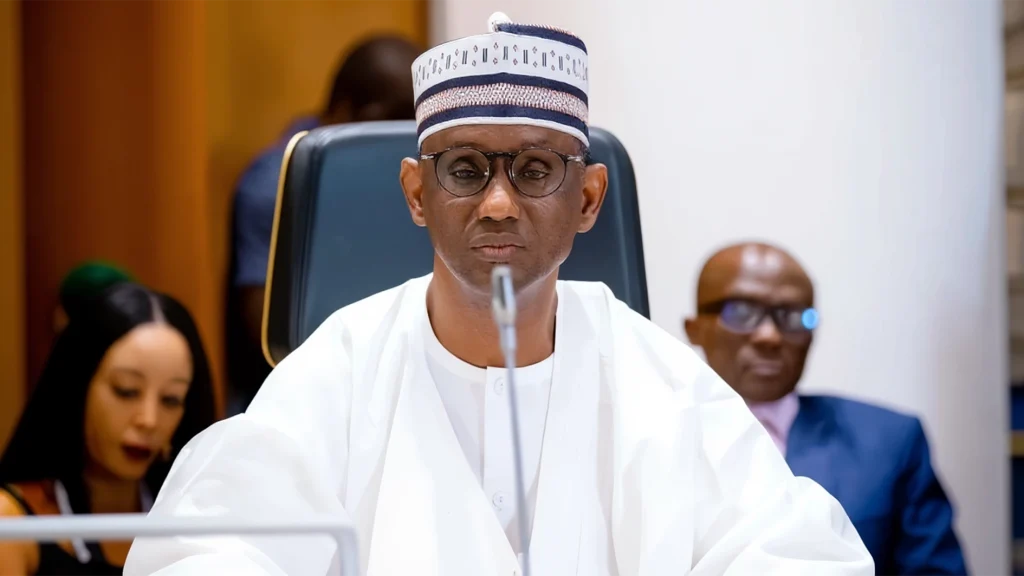
National Security Adviser Nuhu Ribadu has called for a broader approach to tackling banditry in Sokoto State, warning that lasting security will depend not only on military operations but also on restoring livelihoods, strengthening community trust and preventing youth recruitment into criminal networks. He made the recommendations at a security meeting organised by the Sokoto Advancement Forum and the Centre for Peace Studies at Usmanu Danfodiyo University, Sokoto, on Saturday. Ribadu was represented by Zakari Mijinyawa, Director of Legal Services in the Office of the National Security Adviser.
He identified the state’s proximity to Niger Republic and the wider Sahel region as factors complicating efforts to contain armed groups, which have expanded their activities beyond kidnapping, cattle rustling and highway robbery to include illegal taxation and control of rural communities. He called for improved intelligence-sharing, tighter border controls, regional cooperation and measures to cut off the weapons and supplies sustaining criminal operations.
Ribadu also stressed the need to strengthen early-warning systems and community participation, particularly in Sabon Birni, Isa, Tangaza and Goronyo, where residents should be able to report emerging threats and suspicious movements promptly. He said restoring public confidence in security agencies was essential to encouraging communities to share reliable information, while supporting lawful rehabilitation for individuals willing to abandon violence. However, he maintained that rehabilitation must not replace accountability for crimes committed.
The NSA warned that persistent insecurity was damaging agriculture, disrupting trade and keeping children away from school, worsening the hardship faced by rural communities. He argued that security performance should therefore be measured by more than arrests, recovered weapons or territory regained, pointing instead to the return of displaced families, productive farms, reopened schools, functioning markets and renewed public confidence as indicators of lasting progress.
