


Nigeria spends $600m yearly importing palm oil despite production potential
Nigeria spends an estimated $500 million to $600 million annually importing palm oil and related products, despite having the land, climate and history needed to be a major producer, according to government and industry sources.
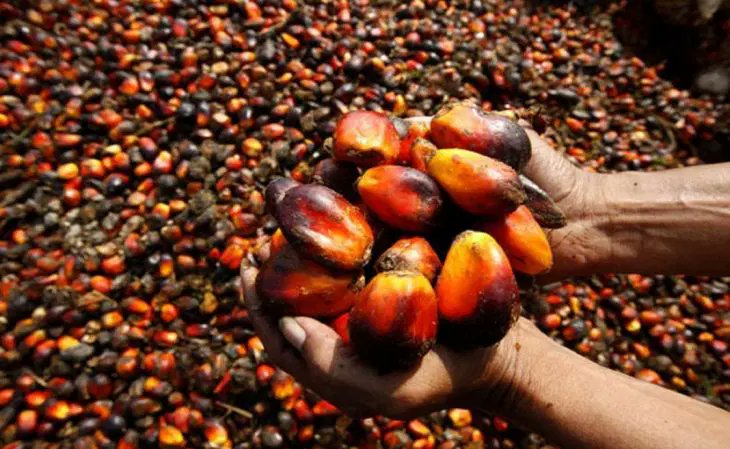
The latest concern was raised by oil-palm industry stakeholder Lawal Olusola Lawal, who said Nigeria now produces only about half of the palm oil required for domestic consumption. He attributed the decline largely to years of neglect, inadequate investment and failure to develop the industry’s wider value chain.
Nigeria was once a global leader in palm-oil production. The Federal Government says the country accounted for more than 40 per cent of global palm-oil supply in the 1960s, but production has since fallen far behind domestic demand. Nigeria currently produces about 1.4 million metric tonnes annually, compared with domestic demand of more than 2.5 million tonnes, creating a deficit of over one million tonnes.
The problem extends beyond crude palm oil. Lawal said Nigeria imports virtually all the industrial derivatives used in products such as creamers, noodles and other manufactured goods, limiting the industry’s potential to create jobs and support domestic manufacturing.
Industry experts have identified several factors behind the decline, including low-yielding seedlings, ageing plantations, limited access to finance and land, outdated processing technology, poor infrastructure and insufficient investment in large-scale plantations and smallholder farmers.
The government has begun efforts to reverse the trend. Agriculture Minister Abubakar Kyari has said Nigeria is targeting increased production through improved planting materials, expanded plantations, better processing facilities and stronger integration of smallholder farmers into formal value chains. The government has also discussed planting 100 million oil-palm trees as part of efforts to revive the sector.
The stakes are significant. Beyond reducing the country’s import bill and conserving foreign exchange, a stronger palm-oil industry could create opportunities in agriculture, food processing, cosmetics, manufacturing, machinery and waste recycling.
For a country that once supplied a large share of the world’s palm oil, the current dependence on imports presents a striking question: can Nigeria turn its natural advantage into a competitive industrial sector again?
