


Nigeria Unveils 10 Measures to Cushion Citizens Against Rising Fuel Prices
The Federal Government has announced 10 measures aimed at easing the impact of rising petrol prices on Nigerian households, transport operators and businesses, including a proposed ₦1,350-per-litre ceiling on petrol landing costs and plans to establish a National Strategic Fuel Reserve.
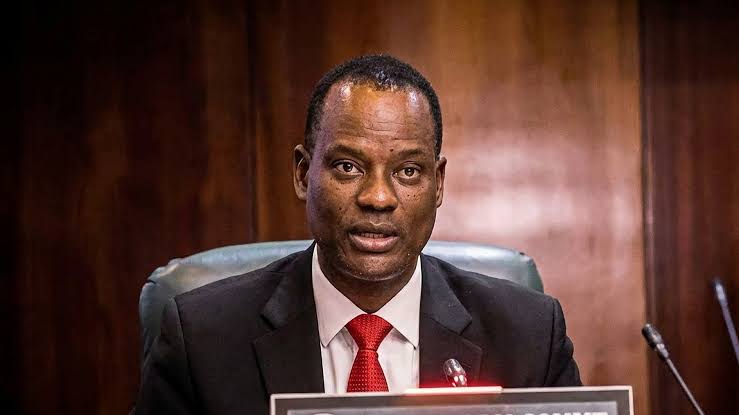
The measures were announced by the Minister of Finance and Coordinating Minister of the Economy, Taiwo Oyedele, during a press briefing in Abuja on October 8, as global oil market volatility continues to drive up domestic fuel costs.
Beyond the previously announced 30-day petrol discount at Nigerian National Petroleum Company Limited (NNPC) retail outlets, the government plans to introduce mechanisms to moderate price fluctuations, expand targeted financial support and reduce transportation and business costs.
Under the proposed price-ceiling arrangement, refiners and importers would absorb costs exceeding ₦1,350 per litre and recover the difference when market conditions improve. The ceiling would be reviewed monthly, with the government promising to publish updated figures for transparency.
The government also plans to increase forward sales of crude oil to domestic refineries, allowing them to secure supplies and potentially reducing the impact of international price movements on local petrol costs.
Other measures include increased funding for cash transfers to vulnerable households, subsidised credit for small businesses and consumers, and faster deployment of compressed natural gas (CNG). The government says CNG is 60 to 70 per cent cheaper than petrol, although the extent to which the savings will translate into lower transport fares remains to be seen.
The package also includes efforts to eliminate road levies that inflate fares and logistics costs, alongside plans to reduce regulatory expenses that contribute to higher prices of goods and services.
The Federal Government is considering an excess-profit tax on operators found to be exploiting consumers across the energy value chain. Any proceeds, according to Oyedele, would be used for transport support or vouchers for vulnerable urban workers earning the minimum wage. The government also intends to explore additional tax relief for low-income earners through the 2027 Finance Bill.
A proposed National Strategic Fuel Reserve would allow refined petroleum products to be released into the market under published rules when global disruptions, hoarding or artificial scarcity threaten supplies. Authorities say the reserve would improve energy security without fixing prices or restoring fuel subsidies.
The final measure focuses on improving traffic management in major cities to reduce fuel consumption and using NIPOST address codes to make deliveries and logistics more efficient.
Oyedele maintained that the interventions do not amount to a return to the blanket petrol subsidy abolished in May 2023. The Presidency said the government intends to provide targeted relief without recreating the fiscal pressures, fuel shortages and smuggling associated with the previous subsidy regime.
However, the effectiveness of the measures will depend on implementation, the response of refiners and marketers, and whether savings in fuel and logistics costs translate into lower transport fares and prices of essential goods.
The government has also said it is working on a broader fiscal package intended to bring inflation down to single digits sustainably.
