


Rights Group Links M23 Mining Abuses to Gold and Coltan Supply Chains
Amnesty International has accused Rwanda-backed M23 fighters of using mining sites in eastern Democratic Republic of Congo as sources of forced labour and mineral revenue, alleging that gold and coltan from the areas are being moved into Rwanda.
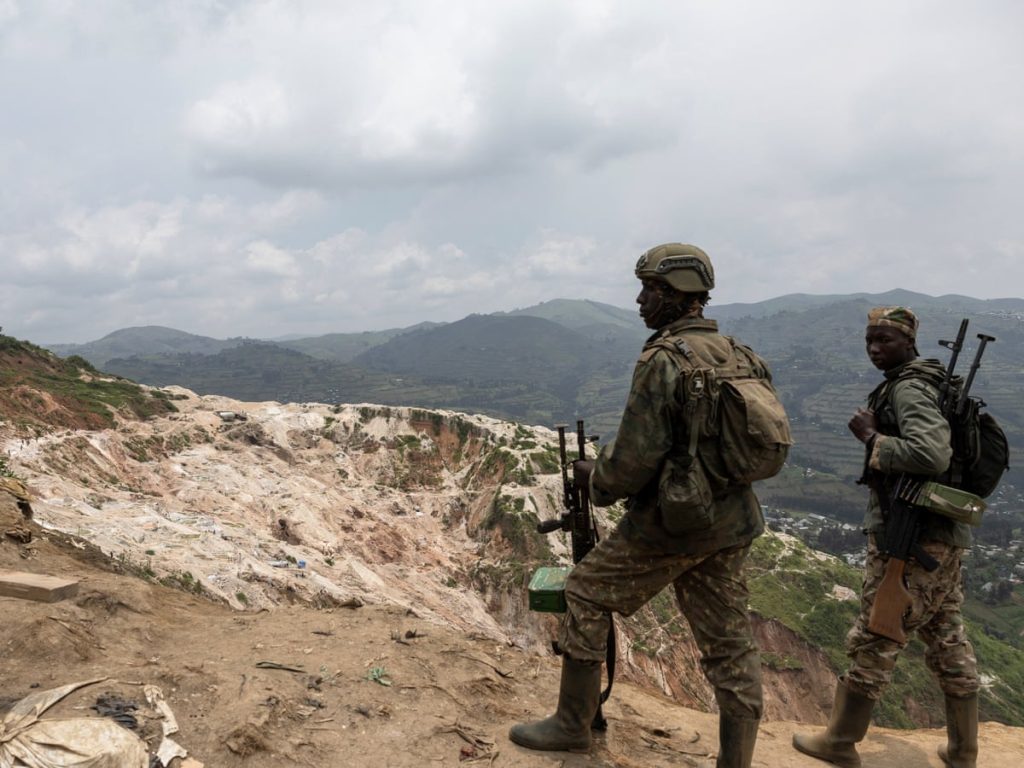
In a briefing published Monday, the rights organisation documented killings, torture, arbitrary detention, forced labour and recruitment involving artisanal miners at Rubaya in North Kivu and Lomera in South Kivu. Amnesty said its researchers interviewed 26 people and examined photographic and video evidence from the mining areas.
The organisation documented the deaths of 18 miners at the two sites, while other testimonies described beatings, underground detention and threats against workers who refused to surrender minerals or comply with M23 demands. Amnesty said some miners were also forced to work for extended periods in the mines.
The investigation also traced alleged mineral routes from eastern Congo into Rwanda. Amnesty said evidence from Lomera indicated that gold-bearing soil was transported by boat towards Rwanda, while its findings linked M23-controlled areas to the movement of gold and coltan across the border. The organisation said the alleged exploitation and transfer of minerals could amount to the war crime of pillage.
The allegations carry implications beyond the conflict zone because coltan and gold are used in global supply chains, including materials found in electronic devices. Amnesty warned that companies purchasing minerals from Rwanda or processors sourcing from the country could face human rights risks if the materials originated from conflict-affected areas in eastern Congo.
Amnesty has called for stronger international oversight of M23-controlled mines and urged governments and companies to suspend purchases of Rwandan gold and coltan until there is evidence that minerals trafficked from Congo are no longer entering the country’s supply chain.
The findings therefore place renewed attention on the connection between armed control of mineral-rich areas, abuses against miners and the international demand for critical minerals.