


Sachet alcohol trade continues despite NAFDAC ban
An investigation by Nigerian Tribune has found that alcoholic drinks packaged in sachets and PET bottles below 200ml remain widely available in parts of Lagos and Ogun States, despite a federal ban and renewed enforcement by the National Agency for Food and Drug Administration and Control (NAFDAC).
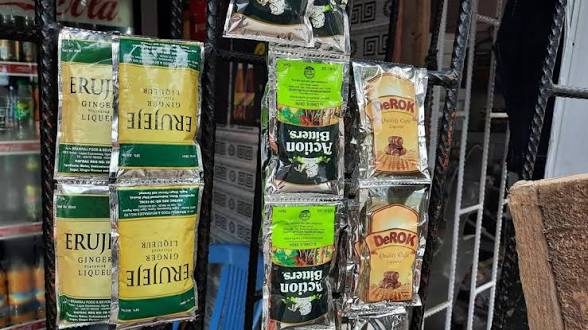
Reporters found sachet alcoholic drinks being sold openly in areas including Iyana Ipaja, Abule Egba, Ikeja, Obalende and Ikotun in Lagos, as well as Sango, Oju Ore and Ota in Ogun State. Some were reportedly displayed close to motor parks, with commercial drivers observed buying them.
The findings come after NAFDAC began a nationwide enforcement and seizure exercise in July, directing manufacturers, distributors, wholesalers and retailers to remove the prohibited products from circulation.
NAFDAC has maintained that the ban covers the production, importation, distribution, sale and use of alcoholic drinks packaged in sachets and PET bottles below 200ml. The agency has cited concerns including easy access by minors and harmful alcohol consumption.
However, the investigation suggests that enforcement has not completely disrupted the supply chain. One trader reportedly told the Tribune that suppliers had delivered fresh stock as recently as the previous week, despite the ban.
There have also been indications of deliberate attempts by some manufacturers to evade enforcement. NAFDAC recently said it discovered companies continuing production and, in some cases, moving equipment to unregistered locations. The agency has sealed factories found violating the ban.
The policy has also faced controversy. In February, the Federal Government ordered NAFDAC to suspend enforcement, citing economic and security concerns, although NAFDAC subsequently maintained that the ban remained in force.
The latest investigation therefore highlights a continuing gap between regulation and enforcement: while authorities insist the ban is operational and have begun seizures and factory closures, banned products remain accessible to consumers in some communities.
The question now is whether the renewed crackdown can effectively reach manufacturers, distributors and retailers, rather than simply removing products from individual markets.