


UK, Japan Deepen Africa–Asia Investment Drive in New Partnership Push
The United Kingdom and Japan have moved to strengthen economic ties between Africa and Asia through a renewed investment partnership aimed at boosting infrastructure, trade, and sustainable development across emerging markets.
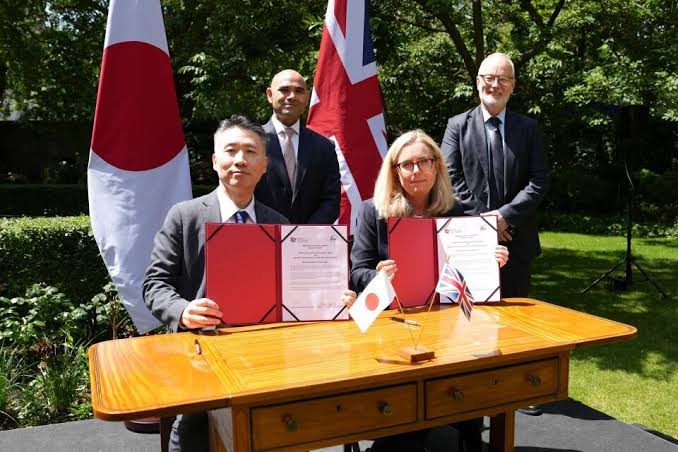
Officials from both countries confirmed that the initiative will focus on mobilising private capital, supporting green energy transitions, and enhancing industrial growth in African economies. The collaboration is expected to prioritise sectors such as renewable energy, digital infrastructure, transport, and critical minerals—areas increasingly seen as strategic for global supply chains.
The partnership builds on existing cooperation frameworks between the UK and Japan, aligning with broader international efforts to position Africa as a key investment destination amid shifting global economic dynamics. Policymakers say the move reflects growing recognition of Africa’s youthful population, expanding consumer markets, and untapped industrial potential.
For African nations, the initiative presents an opportunity to attract long-term financing and technical expertise, particularly at a time when governments are seeking alternatives to traditional funding sources. Analysts note that diversified partnerships could help reduce dependency on single-country investments while encouraging competitive financing models.
The development also signals a deeper integration of Africa into Asia-Pacific economic strategies, with Japan bringing its experience in large-scale infrastructure financing and the UK leveraging its financial services sector to unlock capital flows.
While detailed funding commitments and timelines are still emerging, early indications suggest that the partnership will emphasise transparency, sustainability, and local value creation—key concerns raised by African stakeholders in past foreign investment deals.
Economists say the success of the initiative will depend on how effectively projects are implemented on the ground, particularly in addressing regulatory barriers, political risks, and infrastructure gaps that have historically limited large-scale investment in parts of the continent.
The move comes amid intensifying global competition for influence in Africa, with major powers increasingly seeking strategic partnerships to secure economic and geopolitical footholds in the region.
