


US Inflation Eases to 3.4% as Lower Fuel and Food Prices Offer Relief
US inflation slowed for a second consecutive month in July, with easing fuel, food and housing costs helping to moderate pressure on household budgets and potentially giving the Federal Reserve more room to assess its next interest-rate move.
Data from the Bureau of Labor Statistics showed that consumer prices increased 0.1 per cent in July from the previous month, while the annual inflation rate fell to 3.4 per cent. The decline comes after inflation reached a three-year high earlier in the year, although consumers continue to face elevated costs following years of persistent price increases.
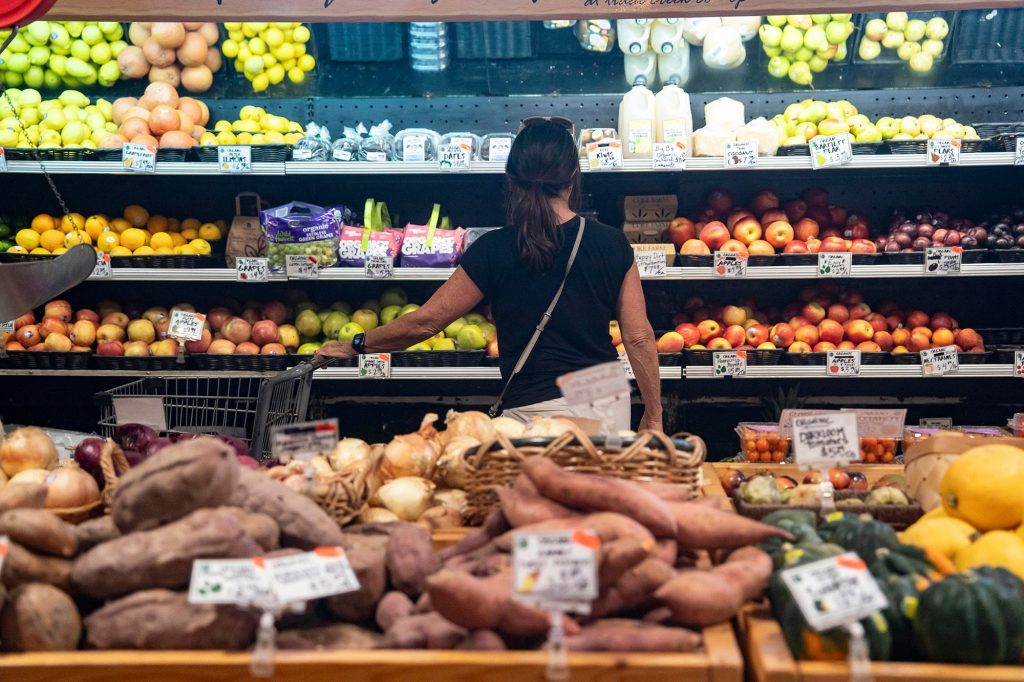
Energy provided a major boost to the July figures, with gasoline prices falling 2.9 per cent during the month. Grocery prices also declined 0.1 per cent, while housing costs, which account for roughly a third of the consumer price index, increased by just 0.1 per cent. However, underlying pressures remain, with core inflation, which excludes food and energy, rising 0.2 per cent during the month and reaching 2.5 per cent annually.
The softer inflation reading could influence expectations for US monetary policy, as investors lowered their expectations of an interest-rate increase in September. However, economists warned that the improvement may prove temporary, citing volatile energy prices and continuing pressure in services and other parts of the economy. Higher oil, fertilizer and other input costs could also feed into consumer prices in the months ahead.
