


WHO Pushes for New Male Contraceptives as Research Advances
The World Health Organisation is promoting wider contraceptive choices, including new reversible methods for men that could become available within the next five to 10 years. Several hormonal and non-hormonal options are already being studied, with some candidates in advanced clinical trials.
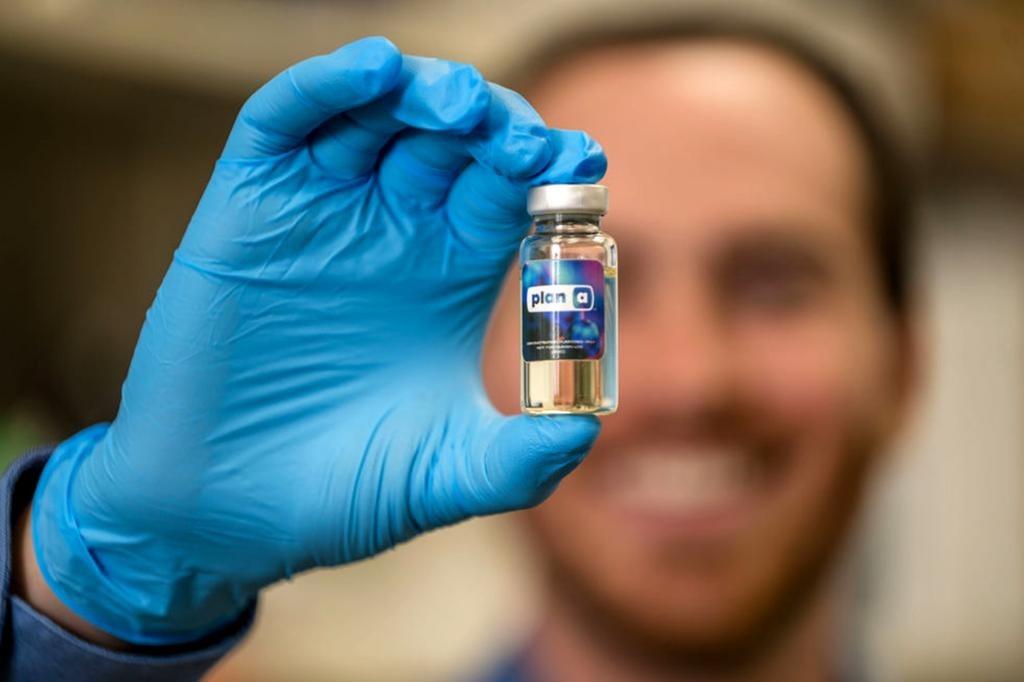
The move could expand the limited contraceptive options currently available to men, which are mainly condoms, withdrawal and vasectomy. The WHO said about 30 per cent of couples rely on male-controlled methods, while studies indicate strong interest among couples in having additional options.
To support development of new products, the WHO has introduced its first Target Product Profile for male contraceptives, setting out expectations for safety, effectiveness, affordability and acceptability. The organisation estimates that about 164 million women who want to delay or avoid pregnancy are currently not using contraception, underscoring the need for wider access and more choices.
The WHO has also updated guidance on existing methods, including longer use of some contraceptive pills and implants and the use of mifepristone as an additional emergency contraception option. However, it called for more research into ormeloxifene and advised against adding quinestrol-containing pills to national family planning programmes because of limited safety evidence.
