


U.S. Deports 40 LGBT Migrants to African Countries Where They Face Risks
The United States has deported at least 40 migrants who had received legal protection after facing persecution because of their LGBT status, sending them to African countries where same-sex relationships are criminalised or LGBT people face documented abuses, a Reuters investigation has found.
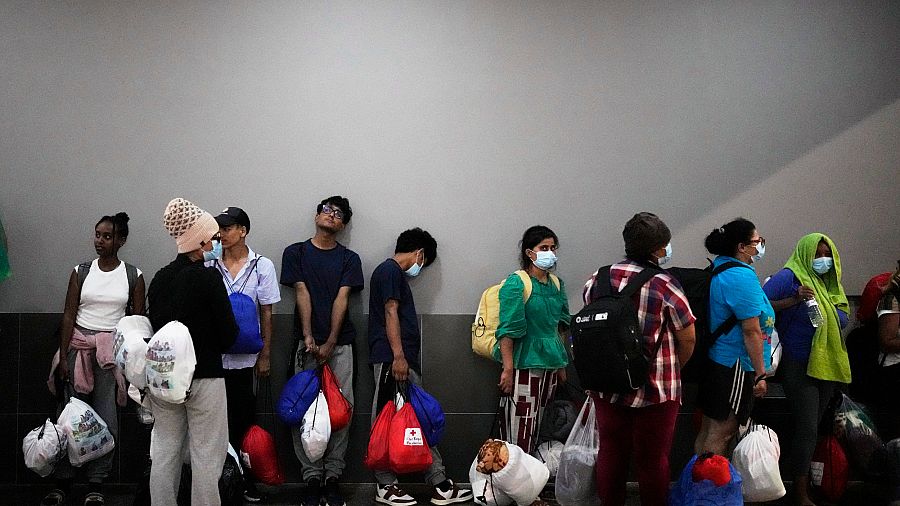
The migrants, from Africa and other parts of the world, were sent to third countries rather than their countries of origin under the Trump administration’s expanded deportation policy. Reuters tracked all 40 cases through interviews with deportees and lawyers and a review of hundreds of legal documents.
Sixteen remain in the countries where they were deported, with some reportedly detained. Another 16 were eventually returned to their home countries, nine are hiding elsewhere and one Ghanaian man has lost contact with relatives and lawyers.
The African destinations identified include Sierra Leone, Cameroon and Eswatini, where same-sex relations are criminalised. Other deportees were sent to the Central African Republic, Equatorial Guinea and the Democratic Republic of Congo, where the U.S. State Department has previously documented abuses against LGBT people.
One case involved Abdou Latifou, a gay man from Togo whose U.S. immigration judge had ruled that it was unsafe to return him to Togo. He was instead deported to Sierra Leone, where he was detained under police surveillance before being returned to Togo. He later fled through Benin and settled in Ivory Coast.
The U.S. Department of Homeland Security defended the policy, saying third-country removals are an “essential public safety tool” and that immigration enforcement does not target people based on sexual orientation. Meanwhile, rights advocates argue that sending protected migrants to countries where they may face the same persecution they originally escaped undermines the purpose of U.S. protection systems.
The cases come amid a much broader expansion of third-country deportations. Preliminary U.S. government data reviewed by Reuters indicates more than 40,000 people have been sent to countries other than their own since the policy expanded, including about 900 to African countries.