


Why Government’s Fight Against Tsetse Fly Is Urgent for Food Security
The Nigerian Federal Government’s ongoing campaign against the tsetse fly is emerging as a critical step in protecting Nigeria’s food system and rural economy.
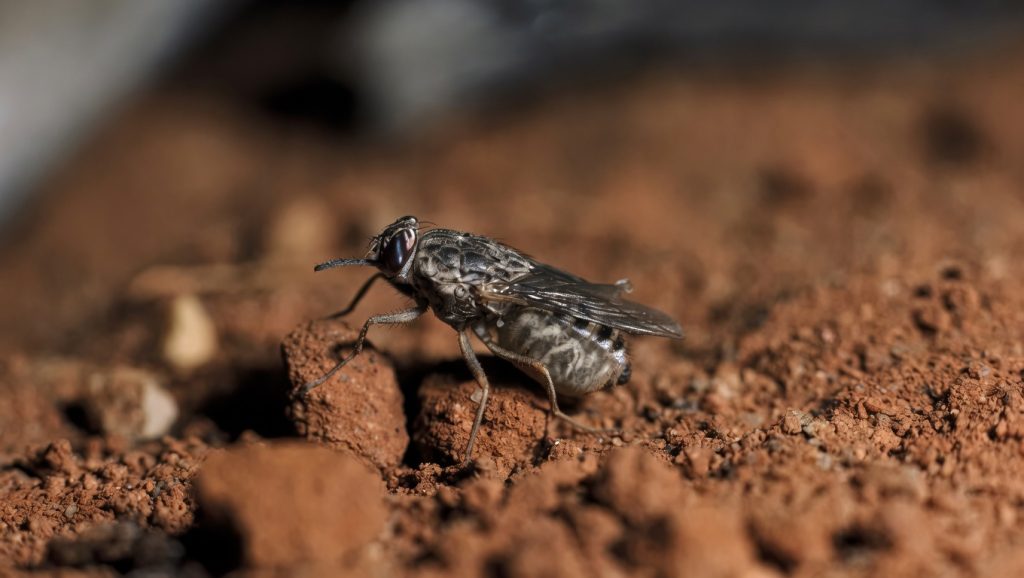
The exercise, currently taking place across the Federal Capital Territory, Kogi, Osun, and Ogun States, is aimed at reducing the spread of a pest that continues to threaten livestock production in farming and grazing communities.
At the heart of the concern is the impact of the tsetse fly on cattle and other livestock. The insect is known to transmit diseases that weaken animals, reduce productivity, and in severe cases lead to death. For farmers who depend on livestock for income, this directly affects their survival and the availability of animal products in the market.
The federal government intervention is designed to go beyond treatment and also focus on prevention. Field teams are deploying traps, applying insecticide in high risk areas, and working with local communities to track and reduce infestation levels.
The urgency of the operation is tied to food security. When livestock production drops, it affects meat and milk supply, increases prices, and puts pressure on already struggling households. Rural communities, which form the backbone of Nigeria’s agricultural system, are the most affected.
Beyond agriculture, the issue also carries public health concerns. The same insect is responsible for spreading diseases that can affect humans, making it both an economic and health risk.
Officials say consistent monitoring and stronger preventive systems are needed to avoid repeated losses in the sector. They also call for the expansion of the intervention to more states across the country.
