


Why Kenya’s Fuel Tracking System Is Becoming a Model for Africa
Fuel fraud continues to drain public revenue across Africa, but Kenya is emerging as a model for how technology can improve control in the petroleum sector.
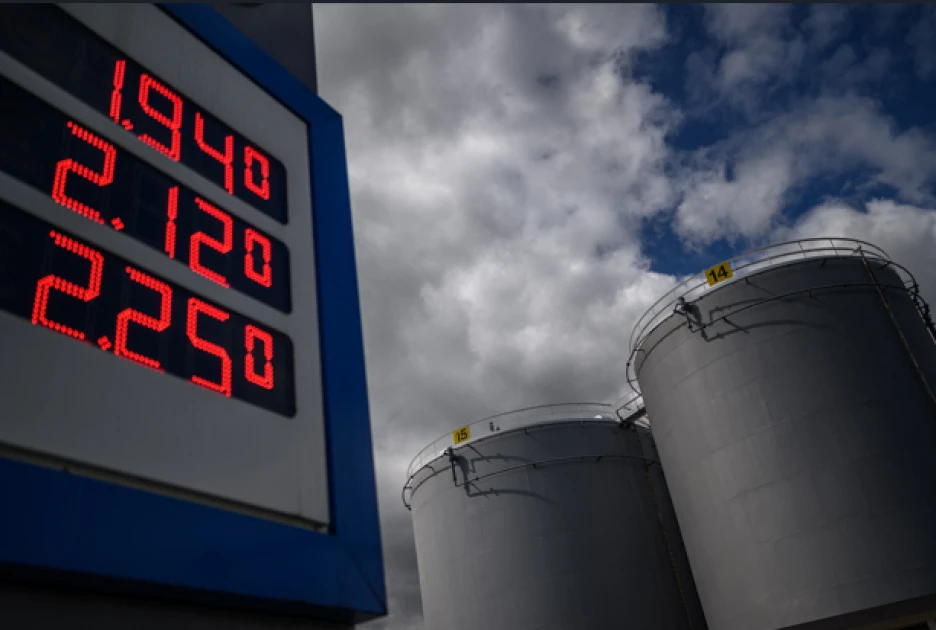
Many countries face the same problems such as smuggling, adulteration, and tax evasion, often worsened by weak monitoring systems that allow illegal operators to thrive.
Kenya’s approach focuses on traceability. Through fuel marking, petroleum products are embedded with invisible chemical identifiers, making it possible to track them across the supply chain and quickly detect tampering.
The system strengthens enforcement by providing verifiable evidence. Regulators can test fuel on the spot, reducing delays in prosecution and increasing the risk for offenders.
It also stabilises the market. By limiting illegal fuel, the system protects government revenue, ensures proper tax collection, and creates a fair environment for compliant businesses.
With similar measures already adopted in Tanzania and Uganda, a regional enforcement pattern is emerging. This is key in tackling cross border fuel fraud.
For other African countries, the takeaway goes beyond technology. Effective results depend on combining such systems with strong governance and consistent enforcement.
