


Africa Emerges as Global Hunger Epicentre Despite Decline Worldwide
A new United Nations report has shown that while global hunger levels continued to decline for the third consecutive year in 2025, Africa has become the region most affected by food insecurity, now accounting for the largest share of the world’s hungry population. According to the findings, the proportion of people facing hunger globally dropped slightly, yet the situation across the African continent remains severe, with hundreds of millions unable to meet basic nutritional needs.
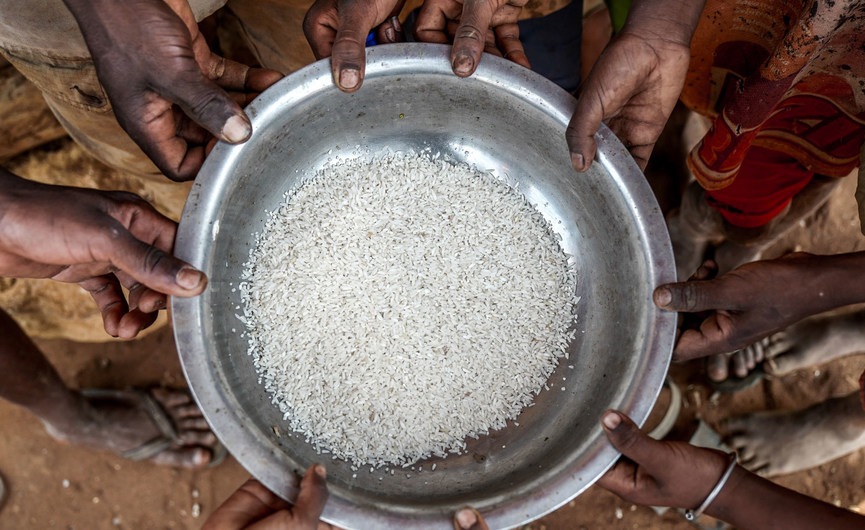
The report estimates that approximately 309 million people in Africa experienced hunger in 2025, a figure that exceeds that of other regions, including Asia. It further indicates that a significant portion of the continent’s population continues to face moderate to severe food insecurity, with many unable to afford a healthy diet. Despite overall improvements in global figures, access to nutritious food remains a major challenge, particularly in developing regions.
Globally, millions of people still struggle with hunger, and progress toward eliminating it by 2030 is considered slow and uncertain. The report also highlights ongoing concerns related to child and maternal nutrition, noting that large numbers of children suffer from stunted growth, while issues such as anaemia among women and rising obesity rates persist.
The United Nations agencies involved in the assessment attribute the uneven progress to factors such as conflict, climate-related shocks, and limited funding for humanitarian efforts. They warn that without sustained policy action, investment in food systems, and measures to improve affordability and access to nutritious food, current gains could be reversed, particularly in vulnerable regions like Africa.
