


Borno commissioner’s threat raises fresh concerns over voter intimidation ahead of 2027
A fresh controversy over alleged threats against voters has raised questions about the state of political freedom in Nigeria, after Borno State Commissioner for Youth and Sports Development, Sainna Buba, was accused of threatening physical punishment against people who refuse to support the ruling All Progressives Congress.
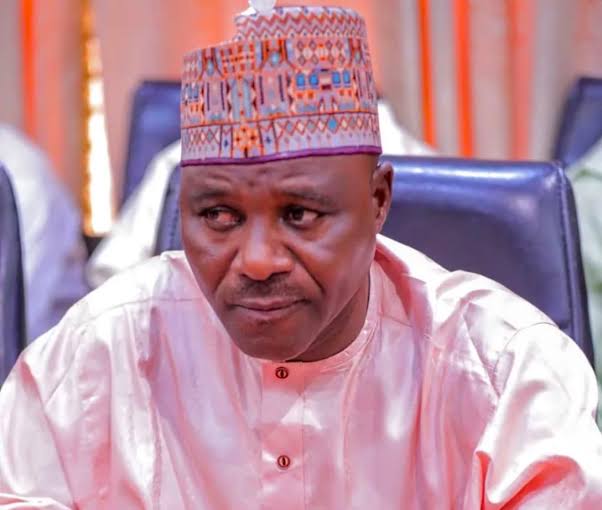
In a video that has circulated online, Buba reportedly warned political opponents that those who “show” the APC a finger would have that finger cut off. He was speaking at a political event organised by the Tinubu City Boy Movement. The remarks have drawn condemnation, with Amnesty International Nigeria calling for a thorough investigation into the video and describing the reported comments as a threat against political opponents.
The controversy comes barely a week after another incident in Kuje Area Council of the Federal Capital Territory, where Chairman Samuel Danjuma Shekwolo was reported to have told residents that they either support the APC or leave the area council.
The Kuje controversy did not end with the chairman. His Chief Protocol Officer, Stephen Tumaka, was also reported to have warned residents who would not vote for President Bola Tinubu and other APC candidates that Kuje was “not for them.”
Taken separately, the incidents could be dismissed as inflammatory political rhetoric. Together, however, they are raising a broader concern about the language being used by political actors as Nigeria moves towards the 2027 elections.
The concern is particularly significant because political participation in a democracy is built around the principle that citizens should be able to choose their representatives freely and without intimidation. A public official may campaign for a party, criticise an opponent or ask voters for support, but the decision of how to vote remains the individual voter’s constitutional choice.
There are also signs that political intimidation remains a wider electoral concern. A recent assessment of Nigeria’s electoral environment documented 44 election-related violent incidents resulting in 13 deaths between October 2025 and June 2026, alongside reported intimidation, destruction of campaign materials and the activities of political thugs.
The challenge for Nigeria ahead of 2027 is therefore not simply to organise an election, but to ensure that voters can enter the process with the confidence that their political choice will not determine their safety, their right to live in a community, or their access to government.
