


Court Ruling on Bus Modifications Raises Concerns Over Jobs and Urban Culture in Nairobi
A court ruling in Kenya is putting the future of Nairobi’s famous nganya buses at risk, as authorities move to enforce stricter rules on public transport.
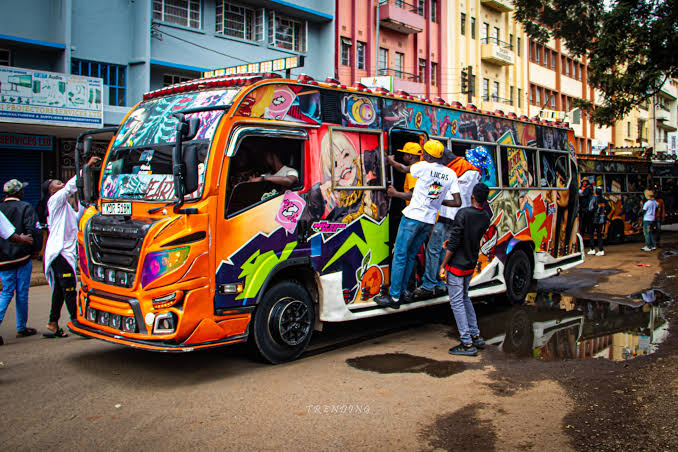
The High Court has backed a directive by the National Transport and Safety Authority requiring operators to remove graffiti, loud designs, tinted windows, and other heavy modifications from buses. The court held that the policy is lawful and necessary for public safety.
Regulators say the changes will improve visibility, make enforcement easier, and bring order to the transport system. But the decision is already stirring concern across Nairobi.
For years, nganyas have stood out as more than buses. Covered in bold artwork, bright lights, and music, they serve as moving symbols of youth culture and street creativity.
Now, that identity faces a serious threat.
The impact goes beyond aesthetics. The industry supports a network of young creatives, from painters and designers to sound technicians and fabricators. With the ban taking effect, many of these jobs could disappear.
Operators are also worried about the cost of compliance and the loss of a unique brand that attracts passengers.
While a short window has been allowed for adjustments and possible appeals, the ruling has opened a wider debate about how far regulation should go.
At the centre of it is a difficult question: can safety reforms be enforced without wiping out a culture that has defined Nairobi’s streets for decades.
