


DR Congo Reopens Schools in Ebola Hotspots Despite High Transmission Risk
Schools have reopened in some of the Democratic Republic of Congo’s areas hardest hit by Ebola, as authorities weigh the risk of transmission against the educational disruption caused by keeping children away from classrooms.
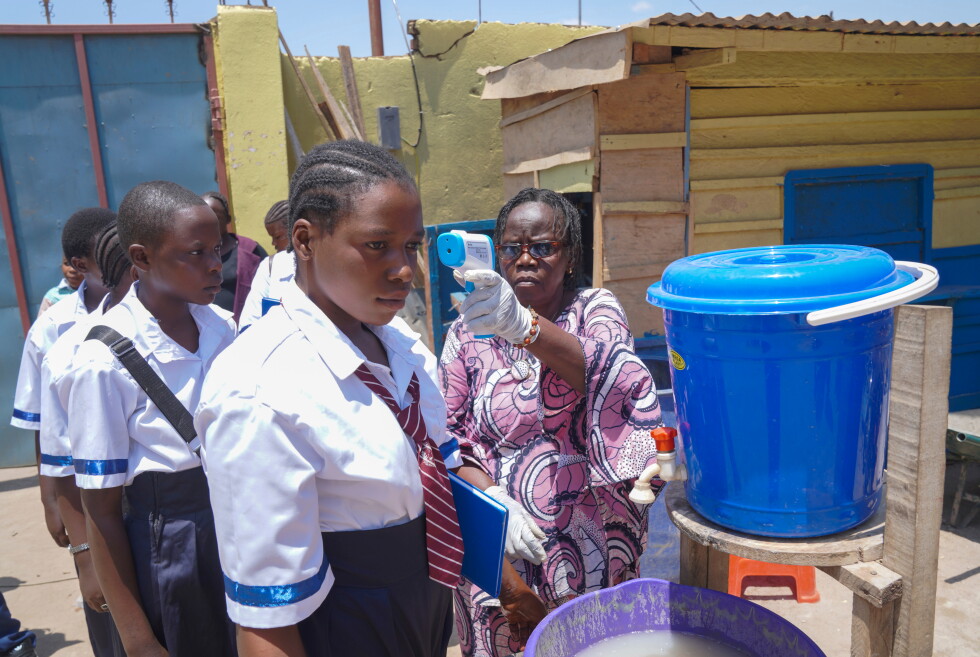
The decision reverses an earlier government plan for schools in Ebola “red zones” to switch temporarily to remote learning. An Education Ministry official told Reuters that provincial authorities requested the change, concerned that pupils in high-risk areas would fall behind students elsewhere.
More than 1,000 schools in Ituri province are classified as being in red zones, meaning they are located in areas of high risk or active transmission. Under regulations issued on August 19, those schools were supposed to use worksheets and radio and television lessons instead of classroom teaching.
The reopening comes as Congo confronts its worst Ebola outbreak on record. Government figures published on Wednesday showed 6,186 confirmed cases and 3,007 deaths, with the outbreak spreading across six provinces and a reported mortality rate of 48.6 percent.
The outbreak is caused by the Bundibugyo species of Ebola, for which there is currently no approved vaccine or treatment. WHO has assessed the public-health risk in the DRC as very high and has recommended measures including safe school reopening, stronger surveillance and infection-prevention measures.
Authorities say schools in affected areas have been equipped with hygiene kits, while hand-washing and other preventive measures are being enforced. Officials have also warned that schools could return to remote learning if new cases are detected.
The decision has nevertheless left many parents anxious. In Beni, North Kivu, one parent told Reuters she sent her three children to school with disinfectant and urged them to avoid physical contact with classmates. North Kivu has recorded 868 confirmed cases.
The reopening highlights the difficult balance facing Congolese authorities: keeping children in school while preventing classrooms from becoming new centres of transmission. With most Ebola deaths occurring in communities rather than treatment centres and many infections not linked to known contacts, WHO says finding and breaking every transmission chain remains critical.
