


El Nino Threatens Energy Stability, Food Security and Economic Growth in Asia
A developing “Super El Nino” is raising concerns across Asia as experts warn that its impact could deepen existing pressure on energy systems, food supply chains, and economic stability in the region.
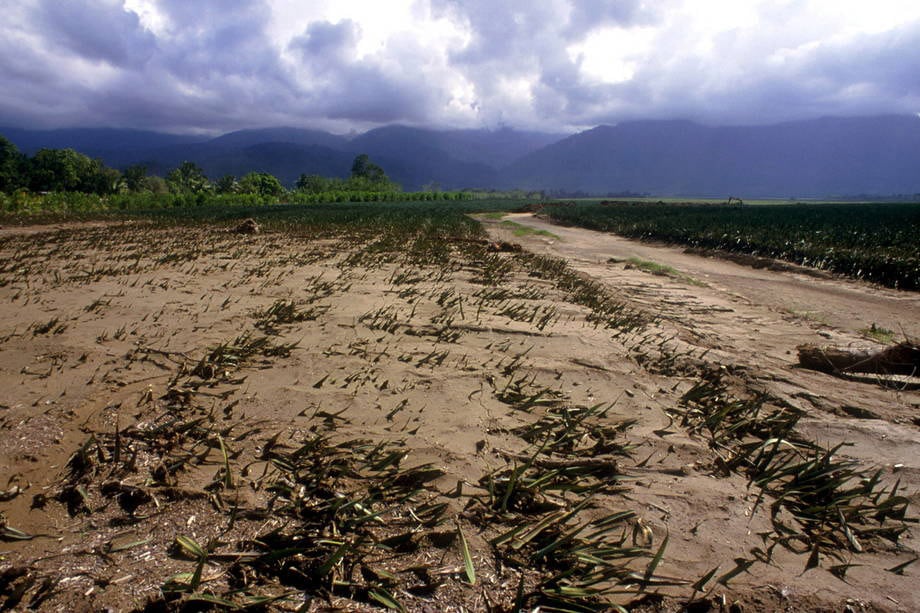
The weather phenomenon is expected to trigger prolonged droughts and heatwaves in several countries, leading to reduced hydropower generation in areas heavily dependent on rainfall. Past events have shown that sharp declines in water levels can cut electricity output significantly, disrupting households, businesses, and industrial operations.
At the same time, ongoing geopolitical tensions affecting global energy routes are compounding risks to fuel supply and pricing, increasing the likelihood of rationing and slower economic activity in vulnerable economies.
The agricultural sector is also expected to face major strain. Higher production costs, driven by expensive fertiliser and fuel, combined with unpredictable weather patterns, could reduce crop yields and push food prices upward, increasing concerns over food insecurity.
Experts say the situation highlights the growing link between climate extremes and economic vulnerability, urging governments to strengthen energy diversification and invest in more resilient infrastructure to withstand future climate shocks.
