


Kenyan MPs Push Bill to Scrap Mandatory School Uniforms Over High Costs and Cartel Concerns
Lawmakers in Kenya are considering a new bill that seeks to remove the requirement for mandatory school uniforms in public schools, in a move aimed at reducing the rising cost of education for families.
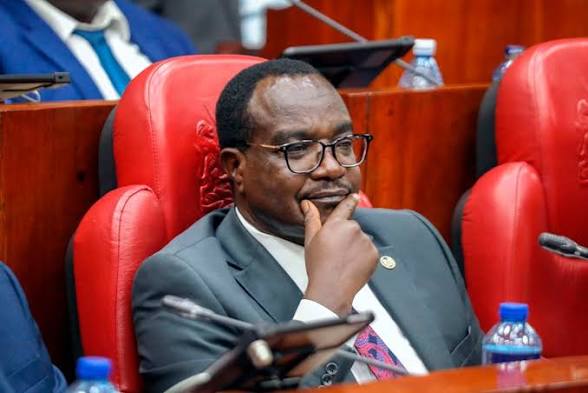
The proposal is driven by concerns that the current uniform system has created a controlled supply chain where parents are forced to buy specific clothing items from selected vendors at inflated prices. MPs argue that this system has turned school uniforms into a profit driven industry rather than a basic school requirement.
According to the proposal, many parents spend between KES 18,000 and KES 25,000 when purchasing full school uniform sets for their children, especially at the start of secondary school. Lawmakers say this cost places a heavy burden on low income households and contributes to the difficulty many families face in keeping children in school.
The school uniform industry in the country is estimated to be worth about KES 40 billion annually. However, critics of the system argue that most of the profit is concentrated in a small number of large suppliers who have long standing arrangements with schools, leaving local tailors and open markets with limited access to the sector.
The bill under consideration proposes a shift to a more flexible system where students would be allowed to wear plain, affordable clothing in set colours rather than specific branded uniforms. Schools would no longer direct parents to particular shops, and families would be free to purchase clothing from any market of their choice.
Supporters of the proposal believe it could lower the overall cost of education and reduce financial pressure on parents, especially in rural and low income communities. They also argue that the change would make access to education easier for more children.
However, the proposal has raised concerns within parts of the education sector. Some school administrators argue that uniforms help promote equality among students and maintain discipline within schools. They also fear that removing uniform rules could weaken school identity and structure.
The textile industry is also expected to resist the proposed changes, as thousands of jobs are linked to the production and supply of school uniforms. Stakeholders in the sector warn that a sudden policy shift could affect production and employment.
The bill is expected to continue its journey through parliament, where further debate will determine whether school uniform rules remain in place or are replaced with a more flexible system aimed at reducing education costs.
