

EU Suspends Some Namibian Meat Imports Over Foot-and-Mouth Disease
The European Union has temporarily suspended imports of fresh beef, sheep and goat meat from Namibia following an outbreak of foot-and-mouth disease in the country’s ||Kharas Region.
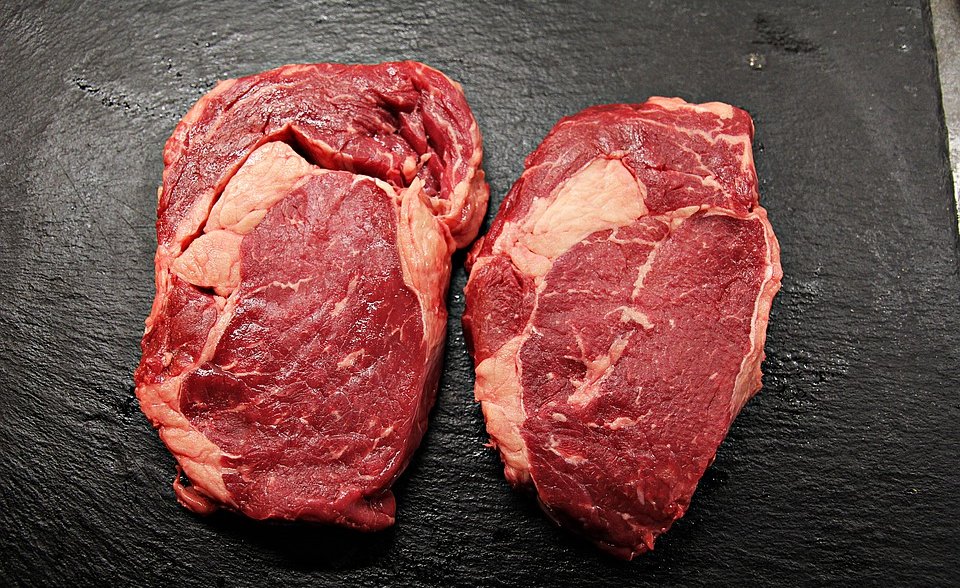
The restrictions, announced on October 5, also cover certain farmed and wild hoofed animals and processed products such as biltong and jerky. Meat that undergoes the EU’s prescribed high-level treatment to reduce the risk of foot-and-mouth disease will remain eligible for entry.
Namibia confirmed the outbreak on September 23 at a commercial farm in the Karasburg State Veterinary District. The World Organisation for Animal Health subsequently suspended Namibia’s foot-and-mouth disease-free status for the affected zone, effective September 22. The outbreak has since been reported on 11 farms.
The EU described the restrictions as precautionary animal-health measures and said they do not affect Namibia’s preferential trade access under the EU-Southern African Development Community Economic Partnership Agreement.
The decision is significant for Namibia’s livestock industry. About 60% of the country’s beef export earnings, estimated at around N$3.3 billion annually, come from European, British and Norwegian markets, according to a recent analysis cited by The Namibian.
The EU said consignments certified before September 23 may still be allowed into the bloc for up to 90 days from that date, subject to EU rules and border-control decisions. It will continue monitoring the outbreak with Namibian authorities and could review the restrictions as the animal-health situation improves.
