


Foreign Aid to Africa Falls by 26%, Women and Children Face Growing Risks
Foreign aid to sub-Saharan Africa fell by more than a quarter in 2025, threatening essential health, education and nutrition services, with women and children among those facing the greatest risks.
Preliminary figures from the Organisation for Economic Co-operation and Development (OECD) show that bilateral official development assistance to sub-Saharan Africa declined by 26.3 per cent in 2025, as major donor countries reduced development spending.
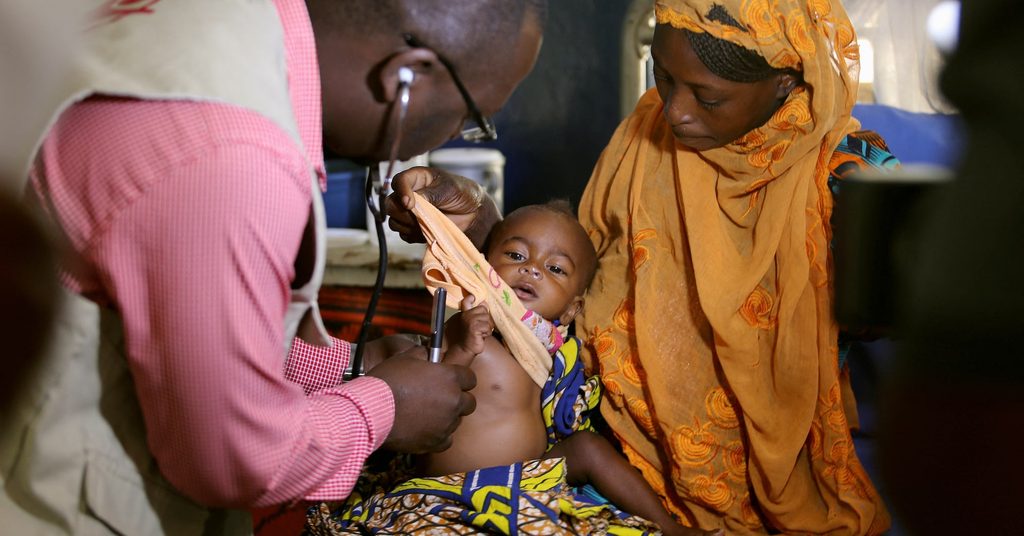
The cuts are already putting pressure on programmes supporting maternal healthcare, reproductive health, childhood nutrition and education. In Kenya, reductions in United States-backed health funding have strained organisations providing contraception and reproductive health services, particularly for adolescent girls and women in underserved communities.
The consequences extend beyond healthcare. The United Nations Children’s Fund (UNICEF) warned that funding reductions could disrupt nutrition services for at least 14 million children globally in 2025. The agency also projected that declining international education assistance could leave an additional six million children out of school by the end of 2026.
Women-led organisations are also facing mounting financial pressure. These groups often provide essential services to survivors of gender-based violence, women in vulnerable communities and families with limited access to public support. Reduced funding can force organisations to scale back programmes or shut down services altogether.
The downturn follows reductions in development assistance by several major donors, including the United States, the United Kingdom, France and Germany. The OECD reported that total official development assistance from its Development Assistance Committee members and associates fell by 23.1 per cent globally in 2025, the largest annual decline on record.
For African governments, the cuts present an additional challenge as many face debt pressures and limited domestic resources to replace external funding. Although governments and development partners can explore alternative financing, replacing large-scale assistance quickly remains difficult.
The growing funding gap raises questions about how African countries will protect essential services and sustain progress in healthcare, education and gender equality as international support contracts.
For millions of women and children, the impact is immediate: fewer services, reduced access to care and greater uncertainty over programmes they depend on.
