


Nigeria’s Food Shipments to EU Fall 46% as Export Trade Comes Under Pressure
Nigeria’s agricultural exports to the European Union have come under renewed pressure, with the value of Nigerian agri-food shipments to the bloc reportedly falling by 46 per cent in the first half of 2026.
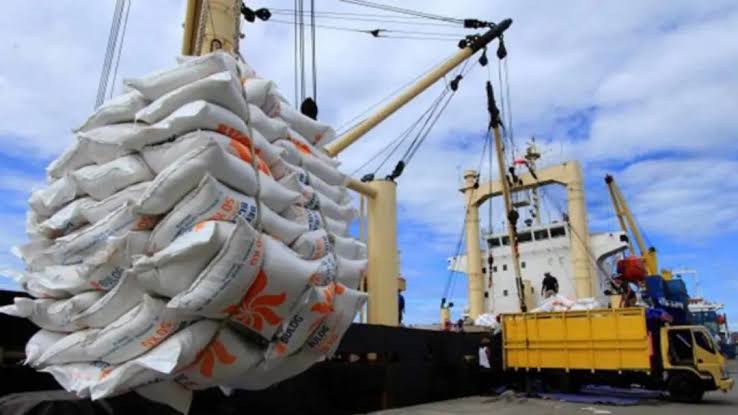
The decline forms part of a broader contraction in African agricultural exports to the EU, as changing commodity prices and weaker demand continue to affect the value of trade. The European Commission’s latest data shows that EU imports from Nigeria, alongside Côte d’Ivoire, Cameroon and Guinea, declined during the period, particularly as cocoa prices fell.
The figures are significant for Nigeria because the European market is an important destination for the country’s agricultural commodities. Cocoa and other agricultural products provide export earnings and support farmers and businesses across Nigeria’s agricultural value chain.
However, the fall in export value does not necessarily mean that Nigerian farmers and exporters shipped 46 per cent less food by volume. Commodity prices can significantly affect the monetary value of exports, meaning the decline partly reflects weaker prices for key products such as cocoa. The European Commission specifically linked declining imports from Nigeria to the continued fall in cocoa prices.
The development comes as the EU’s overall agri-food imports also declined. Between January and June 2026, the bloc imported €93.4 billion worth of agricultural and food products, down four per cent from the same period in 2025. Imports of coffee, tea, cocoa, spices and cereals recorded some of the largest declines.
For Nigeria, the figures nevertheless raise questions about the country’s ability to increase the value and competitiveness of its agricultural exports. Beyond producing more, exporters face challenges including meeting international quality and safety standards, improving processing and packaging, reducing post-harvest losses and developing more value-added products.
The decline therefore presents a challenge — but also an opportunity. Rather than relying heavily on raw commodities whose prices can fluctuate sharply, Nigeria could seek to expand processed agricultural exports and capture more value before products reach European markets.
The bigger concern is whether Nigeria can turn its agricultural potential into a more competitive export industry, rather than remaining vulnerable to global commodity-price swings.
