


From Investigator to Accused: Comey Case Tests Limits of Online Speech in U.S. Politics
A rare legal reversal is unfolding in the United States, as former FBI Director James Comey—once one of the country’s top investigators—is now facing criminal charges over an alleged threat linked to a social media post targeting President Donald Trump.
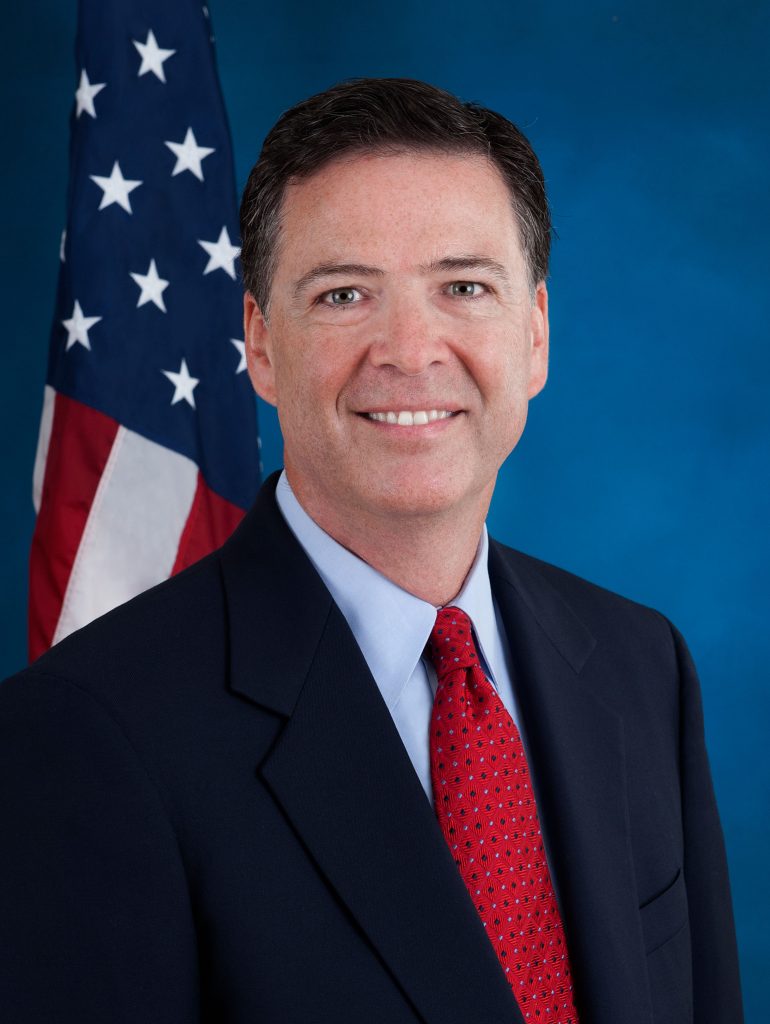
The case, triggered by an image briefly shared online, is drawing attention not just for the high-profile figures involved, but for what it reveals about the growing legal risks surrounding digital expression in an era of hyper-polarized politics.
Legal experts say the prosecution could become a landmark test of how U.S. law interprets intent, symbolism, and context in online content—especially when posted by influential public figures. At the center of the case is whether the image constitutes a “true threat” under federal statutes or falls within the boundaries of protected speech.
Comey’s position as a former head of the Federal Bureau of Investigation adds an unusual dimension, with analysts noting the symbolic shift from enforcing federal law to defending against it.
The case also highlights a broader global trend: governments increasingly scrutinizing online posts as potential security threats, blurring the line between free expression and criminal liability.
As proceedings move forward, the case is expected to reignite debates over free speech, political accountability, and the evolving power of social media in shaping legal and political consequences.
