


Fuel Tax Cuts Extended to Help Ease Rising Petrol Prices
South Africa has extended emergency fuel tax cuts for two more months as rising global oil prices—driven by the ongoing conflict involving Iran—continue to strain household budgets and threaten economic stability.
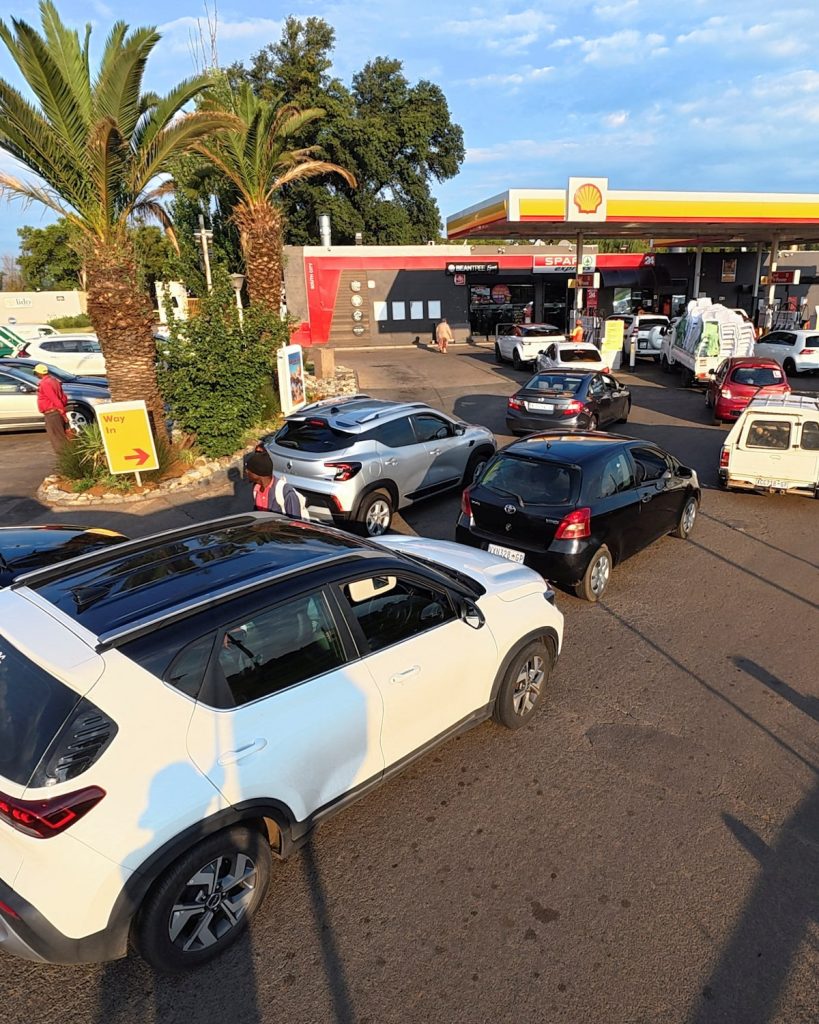
The government said the temporary relief, first introduced in April, will now run through May and June to cushion consumers from sharp increases in petrol and diesel costs. The move comes as the war triggers what the International Energy Agency describes as one of the worst oil supply disruptions in history.
Under the extension, fuel levies will remain significantly reduced, with deeper cuts applied to diesel in May before tapering off in June. Officials estimate the intervention will cost about 17.2 billion rand (over $1 billion) in lost revenue, though authorities say the shortfall will be offset without altering the national budget framework.
The policy highlights how energy-importing African economies are increasingly exposed to geopolitical shocks. With global crude prices surging, transport and food costs are expected to rise, adding pressure on inflation and potentially forcing interest rate hikes.
Economists warn that while tax cuts may provide short-term relief, they are not a long-term solution to structural energy vulnerabilities. As the crisis drags on, governments across Africa face a difficult balancing act between protecting consumers and maintaining fiscal stability.
