


Post-Harvest Losses Drive Nigeria’s Food Crisis Despite Rising Production
Nigeria’s food crisis is increasingly being linked to what happens after harvest rather than what is produced on farms, as experts warn that weak preservation systems are undermining gains in agricultural output.
Opeoluwa Runsewe, Founder and CEO of Terroso Group, brought this concern to the fore during a virtual press conference on post-harvest losses and cold chain investment, where he stressed that the country’s biggest food challenge lies in storage and distribution, not production.
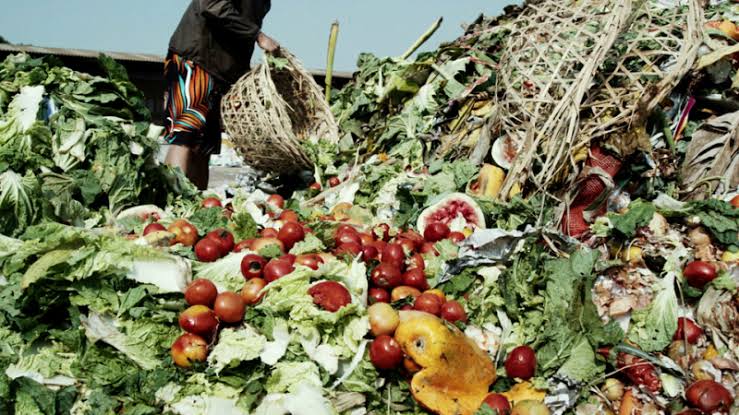
Across Nigeria, a large share of food never reaches consumers due to poor storage, weak transport systems, and the absence of a coordinated cold chain. Industry estimates show that between 30 and 50 per cent of perishable food items are lost after harvest, particularly tomatoes, fruits, vegetables, and fish.
The scale of the loss is also reflected in economic terms. Data from the Organisation for Technology Advancement of Cold Chain in West Africa indicates that Nigeria recorded between ₦3.5 trillion and ₦5 trillion in post-harvest losses in 2025 alone, with about 30 to 40 million metric tonnes of food wasted across major value chains.
These losses occur despite increasing agricultural output in recent years, showing a disconnect between production and actual food availability. The absence of temperature-controlled storage and transport systems means that perishable goods spoil quickly before reaching markets.
Runsewe has consistently pointed to weak cold chain infrastructure as a major driver of the problem, noting that limited storage facilities and inadequate refrigerated logistics continue to fuel high levels of food waste and reduce supply stability.
For farmers, the impact is immediate. Without storage options, many are forced into distress sales, selling produce at low prices immediately after harvest to avoid total spoilage. This reduces income and limits their ability to reinvest in farming.
The losses also affect agro-processing industries, which depend on consistent and quality raw materials. High spoilage rates reduce both the volume and quality of inputs, weakening productivity and slowing industrial growth.
Beyond agriculture, the consequences extend to the wider economy. Post-harvest losses contribute to food inflation, reduce export competitiveness, and weaken Nigeria’s overall food system efficiency. Experts warn that the country is effectively losing value that has already been created through farming.
With Nigeria losing trillions of naira worth of food annually, attention is now shifting toward preservation as a national priority. Stakeholders are calling for urgent investment in cold chain infrastructure, including refrigerated transport, storage facilities, and modern logistics systems.
