


Gambia Restricts Protests After Power-Cut Unrest
The Gambia has banned protests without official permits after several days of demonstrations over prolonged electricity blackouts, prompting renewed debate over how African governments respond when public frustration spills onto the streets.
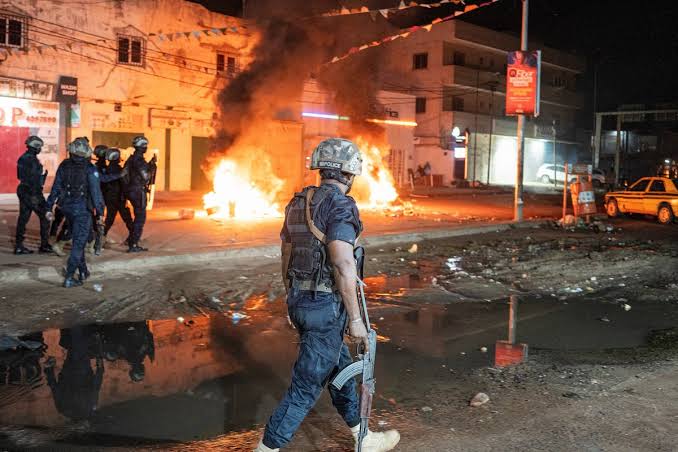
Inspector General of Police Seedy Mukhtar Touray announced that no further protests would be allowed without an approved permit, warning that unauthorized gatherings would be dispersed and could face the use of force.
The demonstrations erupted after repeated power outages, with some areas reportedly experiencing blackouts lasting up to 48 hours. Protesters burned tyres, erected barricades and chanted against President Adama Barrow’s government. Police used tear gas to disperse some of the crowds, while authorities said 11 people had been arrested in connection with vandalism during the unrest.
The government says the electricity crisis has been driven by record demand during extreme heat, failing equipment and seasonal reductions in hydropower. Barrow has promised new generators, an additional 24-megawatt generation unit and a 50-megawatt solar project, with improvements expected by October.
But the decision to tighten restrictions on demonstrations has revived a broader question across Africa: when citizens protest over failing public services, should governments first restrict the protests or address the grievances driving them?
The Gambia is not alone in facing this tension. In recent years, protests over electricity, living costs, unemployment, governance and other public concerns have erupted across several African countries. In some cases, authorities have responded with restrictions, arrests or force, while governments have also introduced measures aimed at addressing the underlying grievances.
In The Gambia, the issue carries added political weight as the country prepares for presidential elections in December. The latest unrest therefore places the government under pressure not only to restore reliable electricity, but also to demonstrate that public criticism and peaceful protest remain legitimate avenues for citizens to demand accountability.
The immediate challenge for authorities is to prevent violence while ensuring that restrictions on demonstrations do not overshadow the original issue that brought people onto the streets: access to reliable electricity.