


Guinea-Bissau approves new constitution, expanding presidential powers ahead of December vote
Guinea-Bissau has approved a new constitution in a national referendum, giving the presidency significantly greater powers and reshaping the country’s political system ahead of presidential and legislative elections scheduled for December.
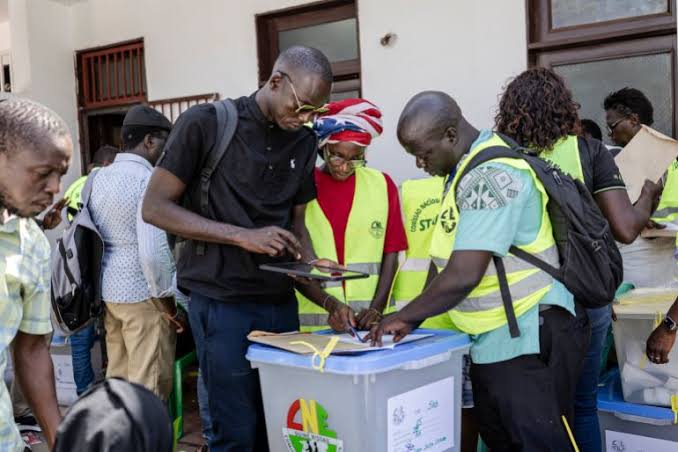
Provisional results released by the National Electoral Commission show 70% of voters backed the new constitution, while 30% voted against it. About 544,060 people participated, representing roughly 60% of registered voters.
The changes mark a major shift from Guinea-Bissau’s existing semi-presidential system. Under the new framework, the president will be able to appoint and dismiss the prime minister and cabinet, create or abolish ministries and dissolve parliament during a serious political crisis.
The reforms also reduce parliament from 102 seats to 65 and cut the number of electoral constituencies from 29 to 12. Presidential candidates will additionally be required to have lived continuously in Guinea-Bissau for at least five years before seeking office.
But the referendum has already triggered questions over democratic legitimacy.
The vote was organised under a military-led transitional government that seized power in November 2025, and the country’s main opposition party, the PAIGC, boycotted the referendum. The party argued that the process lacked adequate political and institutional safeguards.
There were also reports of low engagement in parts of the capital, with some voters telling local media they were unaware of the referendum or did not fully understand what was being changed.
The military government says the constitutional overhaul is intended to end the country’s cycle of political instability and prevent future clashes between the president, prime minister and parliament. Elections scheduled for December are expected to mark a return to civilian rule.