


African Migrants Stranded in Yemen Face Growing Humanitarian Crisis
Thousands of African migrants stranded in Yemen are facing worsening humanitarian conditions as tighter border controls prevent many from continuing their journey to Saudi Arabia.
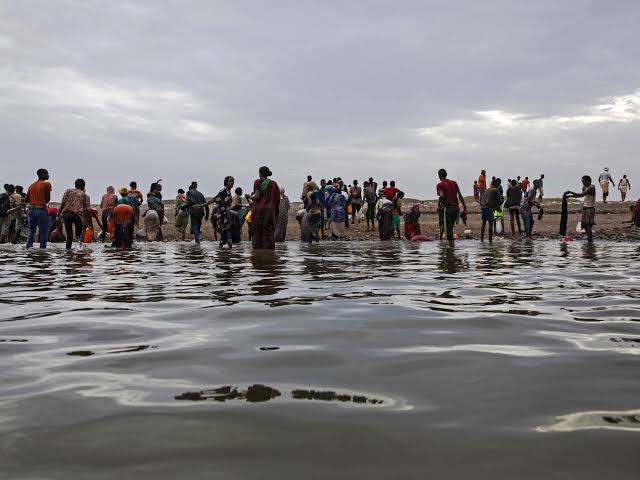
Every year, tens of thousands of migrants from the Horn of Africa cross the Gulf of Aden to Yemen, hoping to reach the Gulf for work and better opportunities. But many are now unable to move onward or return home, leaving them trapped in an already fragile country.
The International Organization for Migration says migrants face serious risks in Yemen, including human trafficking, exploitation, detention, violence and abuse.
One Ethiopian migrant, Abdulaziz Mohammed, told Reuters that he had hoped to cross into Saudi Arabia but found the border heavily guarded. He said migrants without shelter have been forced to search for food on the streets and sleep outdoors.
The scale of the movement remains significant. IOM recorded 110,144 migrants entering Yemen in 2025, with 97 per cent Ethiopian and three per cent Somali. In the first four months of 2026 alone, more than 70,000 migrants arrived through the eastern migration route.
The migrants are arriving in a country already struggling with a prolonged conflict and a major humanitarian crisis. The UN estimates that 22.3 million people in Yemen will require humanitarian assistance and protection in 2026, including about 329,000 migrants.
For those stranded, the crisis is therefore becoming a choice between remaining in a country with limited humanitarian support, risking dangerous attempts to cross the border, or undertaking another perilous journey home.
The situation highlights the growing humanitarian cost of the Eastern Migration Route, one of the world’s busiest and most dangerous migration corridors.
