


Health Crisis Deepens as Medicine Availability Falls to 50 Per Cent
Zimbabwe’s public healthcare system is facing mounting pressure as shortages of essential medicines, inadequate funding and difficulties retaining health workers threaten service delivery across the country. The Ministry of Health and Child Care says the availability of essential medicines in health facilities has fallen to about 50 per cent, below its target of 70 per cent, raising concerns about access to treatment for patients with chronic illnesses and other serious medical conditions.
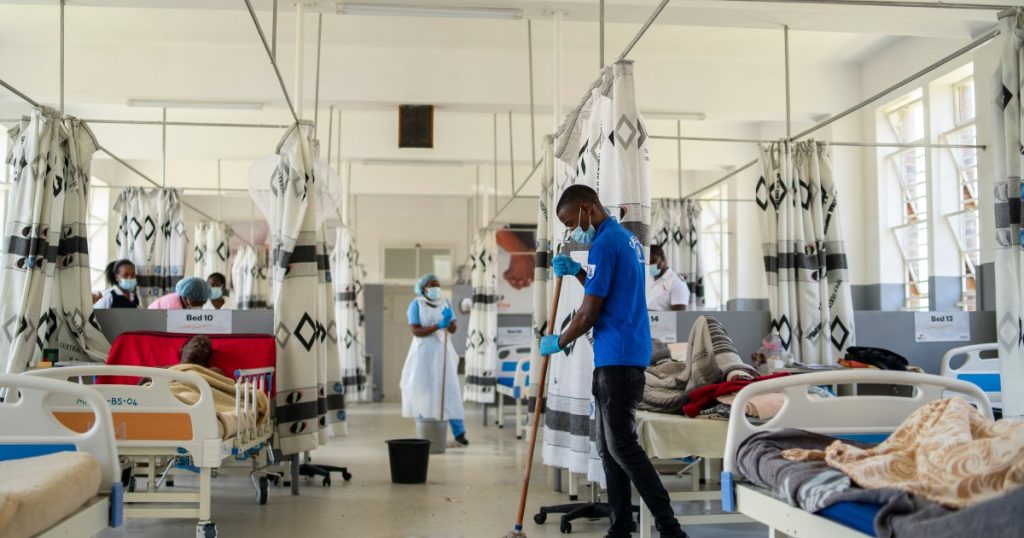
Health Secretary Aspect Maunganidze disclosed the situation during parliamentary consultations on the country’s 2027 budget, warning that irregular government funding was affecting the procurement and distribution of medical supplies. Patients requiring dialysis and women in need of emergency blood transfusions are among those vulnerable to the shortages, which officials say have contributed to rising maternal and neonatal deaths in some health facilities.
The financial constraints are also affecting the ministry’s ability to sustain healthcare services and recruit staff for underserved communities. Although more than 14,000 positions were created across the 2026 and 2027 periods, recruitment remains incomplete, while some newly employed health workers are reluctant to accept postings in remote districts. The ministry also faces uncertainty over rural health worker retention funding, with an existing scheme supported by the Global Fund scheduled to end in December 2026.
The funding outlook for 2027 has further heightened concerns, with the ministry seeking ZWG89.27 billion but receiving an indicative Treasury allocation of ZWG29.83 billion. For 2026, only slightly more than half of the approved ZWG28.94 billion budget had been released by September, despite the ministry spending more than 90 per cent of the funds made available. The shortfall has prompted questions from lawmakers about delays in disbursements to NatPharm, the national medical procurement agency, and the government’s plans to ensure reliable medicine supplies and improve staffing in rural health facilities.
