


Kenya airport strike ends, but deal leaves bigger labour questions unresolved
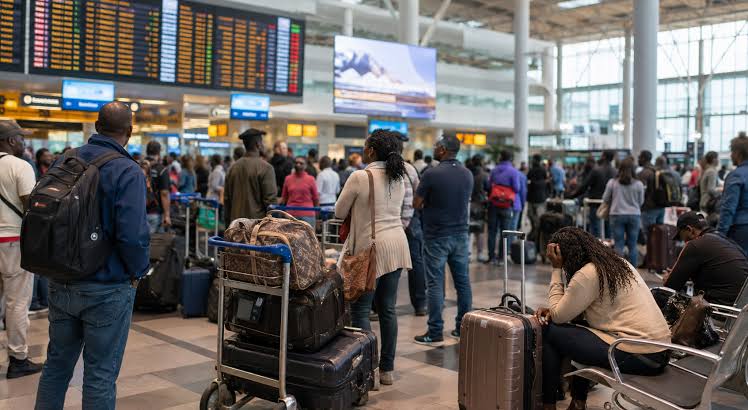
Kenya’s aviation sector is moving towards normal operations after workers called off a two-day strike that disrupted flights at the country’s major airports and stranded thousands of passengers.
The Kenya Aviation Workers Union (KAWU) ended the industrial action on Tuesday after reaching a Return-to-Work Agreement with the government, Kenya Airports Authority, Kenya Civil Aviation Authority and Jambojet.
The strike had affected Jomo Kenyatta International Airport in Nairobi, Moi International Airport, Eldoret International Airport and Kisumu International Airport, causing cancellations and significant delays. Airlines are now working to clear the backlog, with passengers warned that disruptions could continue temporarily as schedules are restored.
But the agreement does not simply end a dispute over flights. It addresses a series of long-running labour grievances, including stalled collective bargaining agreements, salary reviews, union recognition at Jambojet and allegations of victimisation of workers who participated in the strike.
Under the agreement, KAWU and KCAA will resume negotiations on a collective bargaining agreement, while the government has committed to addressing outstanding salary and employment issues. The union has also agreed to respect the ongoing court process concerning its recognition at Jambojet.
The dispute is particularly significant because Kenya’s aviation industry is a major regional transport hub, with Nairobi serving as an important gateway to East and Central Africa. Disruptions at JKIA therefore extend beyond Kenya, affecting airlines and passengers travelling to neighbouring countries.
It is also the second major aviation labour disruption in Kenya this year, following another strike in February. That recurrence suggests that Tuesday’s agreement may have bought the sector stability, but may not have permanently resolved the underlying labour tensions.
