


DRC’s Ebola outbreak crosses 6,000 cases as rare strain spreads
The Democratic Republic of Congo is facing its largest Ebola outbreak on record, with more than 6,000 confirmed infections and 2,911 deaths, according to the latest government figures released on August 31.
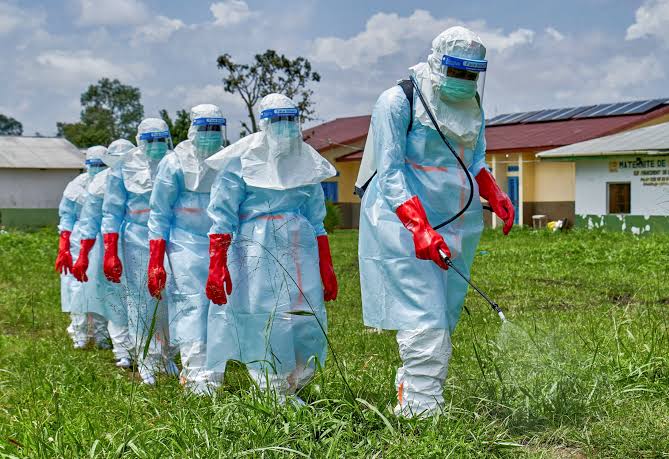
The outbreak is being driven by the Bundibugyo virus, a rare Ebola species for which there is currently no approved vaccine or specific treatment. The World Health Organization says the outbreak has spread to 60 health zones across six provinces, with a crude fatality rate of about 48%.
The scale of the outbreak is particularly alarming because it has already surpassed the previous largest Ebola outbreak recorded in the DRC, which occurred between 2018 and 2020. Authorities now describe the current epidemic as the largest Ebola outbreak ever recorded in the country, regardless of the Ebola virus species involved.
The bigger challenge: fighting Ebola without a proven weapon
The absence of an approved vaccine or treatment for Bundibugyo is making the response considerably more difficult.
Health authorities have begun using Ervebo, the vaccine that is highly effective against the Zaire strain responsible for previous major Ebola outbreaks. However, Ervebo is not specifically approved for Bundibugyo. Congo is also using the situation to conduct clinical research into whether the vaccine can offer protection against the current strain.
The outbreak is also unfolding in eastern DRC, an area affected by armed conflict, displacement and major population movements. These conditions make contact tracing, isolation, treatment and safe burials significantly harder. Health workers have also faced insecurity and industrial action, further complicating the response.
The WHO says the outbreak remains a public health emergency of international concern, with the continuing spread raising the risk of infections crossing international borders.
