


Measles outbreak claims 109 lives as infections spread across Nigeria
Nigeria is facing a renewed measles outbreak, with 109 deaths recorded in the first seven months of 2026 as confirmed cases were reported across the country, according to data from the Nigeria Centre for Disease Control and Prevention (NCDC).
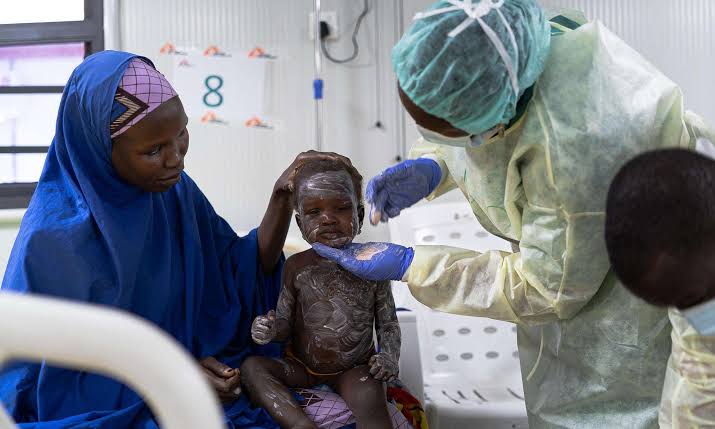
The NCDC’s latest Measles Situation Report shows that 9,308 suspected cases were reported between January and July, with 7,713 confirmed cases. Outbreaks were recorded in 71 local government areas, while 611 LGAs across all 36 states and the Federal Capital Territory reported at least one suspected case.
Children are bearing the greatest burden. Those aged nine months to 59 months accounted for more than 58.67% of confirmed cases, highlighting the particular vulnerability of children under five.
The outbreak is particularly severe in northern Nigeria. Borno, Zamfara, Yobe, Bauchi, Katsina and Kebbi alone accounted for 62.82% of the country’s suspected cases. Borno recorded the highest number, with 2,673 suspected cases, of which 2,660 were confirmed.
But the disease is not confined to the North. Several southern states, including Akwa Ibom, Oyo, Osun, Imo, Delta and Lagos, have also reported cases, underscoring the nationwide nature of the transmission.
Why the figures are concerning
Measles is highly contagious but vaccine-preventable. The current outbreak therefore raises questions about gaps in routine immunisation, access to healthcare and the ability of authorities to quickly identify and contain outbreaks.
The NCDC says 65 LGAs had ended their outbreaks by the end of July, suggesting that containment efforts are working in some areas. However, the emergence of outbreaks in other communities shows that transmission remains active.
The figures also come as Nigeria continues to battle several vaccine-preventable diseases, putting additional pressure on an already stretched public-health system.
With more than 7,700 confirmed measles cases and 109 deaths in just seven months, the immediate challenge is not simply treating those already infected but closing immunisation gaps before another generation of children becomes vulnerable to a disease that can largely be prevented through vaccination.
