


Kenya Allocates $2m for Ebola Preparedness as WHO Launches Vaccine Trial in DR Congo
Kenya has allocated more than $2 million to strengthen its preparedness against Ebola, as the World Health Organisation (WHO) begins a clinical trial in the Democratic Republic of Congo (DR Congo) to assess vaccine candidates against the virus responsible for the current outbreak.
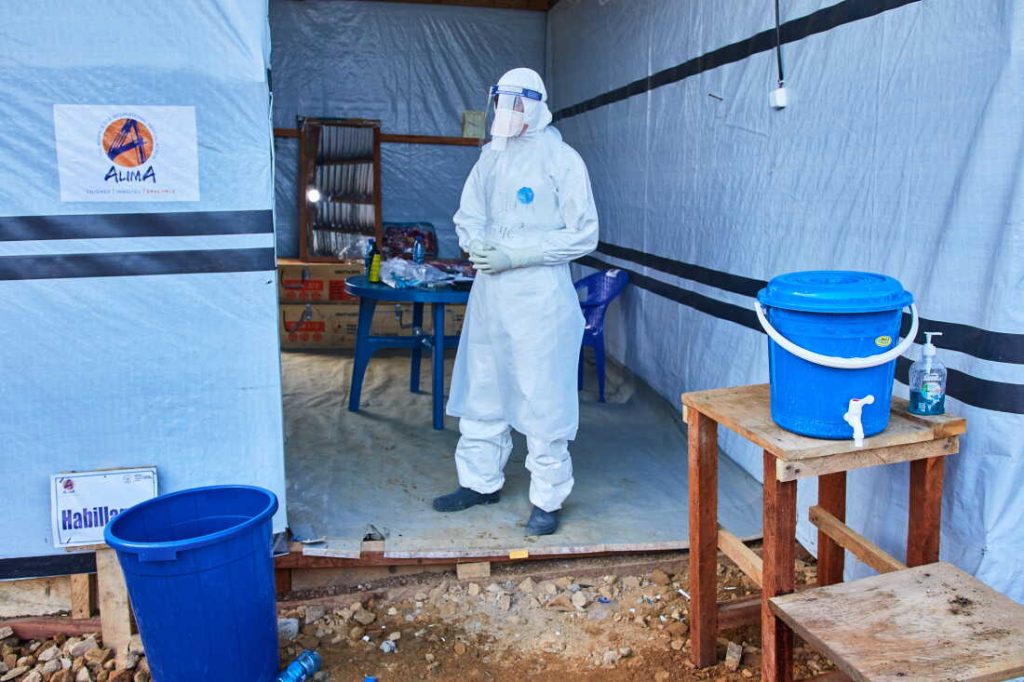
The Kenya Humanitarian Fund, managed by the United Nations Office for the Coordination of Humanitarian Affairs (OCHA), will finance government-led response measures, including enhanced border surveillance, training for rapid-response teams and the provision of emergency health and infection-prevention supplies.
The funding will also support preparedness along high-risk refugee and travel routes linked to the Kakuma refugee complex in northwestern Kenya, alongside public awareness campaigns on Ebola prevention and early detection.
According to the United Nations, Kenya had recorded nine confirmed cases as of October 20, including two deaths, with no evidence of wider community transmission at the time. Authorities had also identified more than 130 people potentially exposed to the virus for monitoring and quarantine.
Meanwhile, WHO has launched the TUMAINI clinical trial in Bunia, eastern DR Congo, to evaluate vaccines against the Bundibugyo strain of Ebola. The trial began on October 23, with the first participants vaccinated using Ervebo, a vaccine licensed against the Zaire strain of Ebola.
However, its effectiveness against the Bundibugyo strain remains uncertain. The trial will assess whether existing and developing vaccine candidates can provide protection against the virus.
Two additional candidates, ChAdOx1, developed by the University of Oxford and the Serum Institute of India, and mRNA-1469, developed by Moderna, are also being assessed for their potential against the Bundibugyo strain.
The outbreak has spread beyond DR Congo, with Kenya and Nigeria reporting imported cases. WHO reported 9,704 confirmed cases and 4,687 deaths in DR Congo as of October 20.
The parallel efforts highlight the importance of cross-border surveillance, rapid response and scientific research as African countries work to contain the outbreak. The vaccine trial is expected to generate evidence that could guide future vaccination decisions and strengthen preparedness for subsequent outbreaks.
