


Kenyan Presidential Aspirant Opposes Dangote’s $16bn Refinery Plan
Kenyan presidential aspirant Patrick Osoi has urged Nigerian billionaire Aliko Dangote to delay his planned $16 billion oil refinery project in Kenya, saying local investors should be given the opportunity to develop the facility.
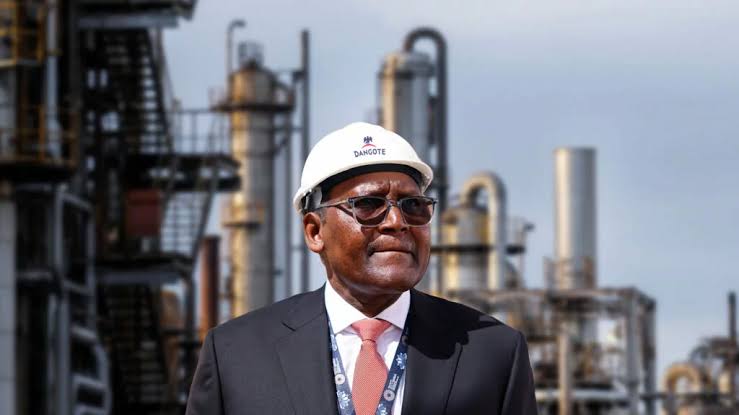
Osoi made the remarks while addressing supporters at a Lions Movement event, declaring that he would prioritise Kenyan businesses if elected president in the 2027 general election.
“I want to tell Aliko Dangote, please don’t rush to start the refinery because, when I’m sworn in as President of Kenya next year, you will be heading back to Nigeria,” Osoi said.
He argued that Kenya has businesspeople capable of financing and developing a refinery without relying on the Nigerian industrialist. However, he did not outline a financing plan or explain how local investors would deliver a project of the proposed scale.
The refinery, planned for Lamu County on Kenya’s coast, is designed to process up to 700,000 barrels of crude oil per day. The project is intended to reduce East Africa’s dependence on imported petroleum products and strengthen regional refining capacity.
Dangote and Kenyan President William Ruto participated in the project’s groundbreaking ceremony on September 30, with the investment presented as a major industrial development for the region.
However, the proposal has faced mounting opposition over transparency, land rights and environmental concerns.
A Kenyan court has ordered that the status quo be maintained in a land dispute involving residents who oppose the project, while a consumer-rights group has challenged aspects of the approval process and the proposed government participation.
Osoi’s opposition adds a political dimension to the controversy, raising questions about local ownership, foreign investment and the role of the government in major infrastructure projects.
While supporters argue that the refinery could create jobs, expand fuel supplies and reduce import dependence, critics have demanded greater transparency over the agreements and potential effects on local communities.
The project’s future will depend not only on its financing and construction but also on the outcome of legal challenges and the government’s response to concerns raised by residents and political opponents.
