


Nearly 4 Million Displaced Across Burkina Faso, Mali and Niger, UN Warns
Nearly four million people have been forced from their homes across Burkina Faso, Mali and Niger, almost double the number recorded six years ago, as persistent insecurity and climate-related shocks deepen the humanitarian crisis in the central Sahel, the United Nations refugee agency has warned.
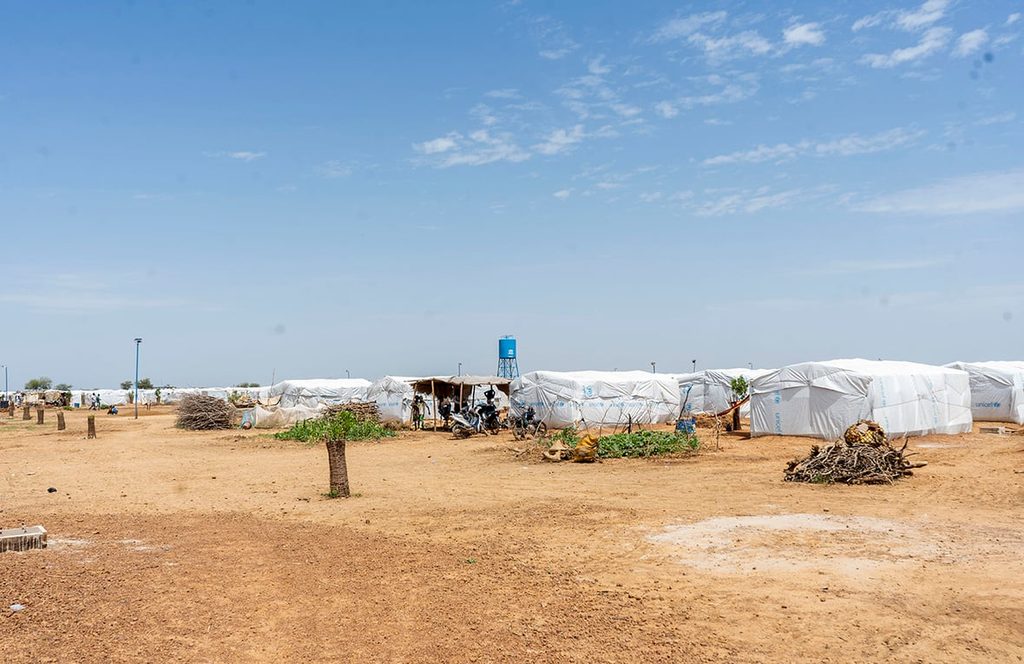
The UN High Commissioner for Refugees (UNHCR) said on Friday that the figure had reached about 3.8 million by July 2026, including more than 818,000 refugees and asylum-seekers who have fled across international borders.
Most of those displaced remain within their own countries, escaping attacks by armed groups and violence that have disrupted communities, livelihoods and access to essential services. Others have crossed into neighbouring countries, adding pressure on host communities already struggling with limited resources.
Climate-related shocks, including droughts and floods, are compounding the crisis by damaging farmland, threatening food supplies and making it harder for displaced families to rebuild their lives.
In parts of Mali, communities hosting refugees from neighbouring Burkina Faso are facing growing pressure on land, water supplies, healthcare and livelihood opportunities. The influx has stretched local services and increased the need for humanitarian assistance.
The crisis is unfolding as humanitarian organisations face funding shortages that threaten their ability to provide shelter, food, healthcare and protection. UNHCR has called for greater international investment in both emergency assistance and long-term solutions, including education and economic opportunities for displaced people.
The latest figures highlight a sharp deterioration since October 2020, when the region recorded more than 1.7 million internally displaced people and about 365,000 refugees.
With insecurity continuing to drive people from their homes, aid agencies warn that emergency relief alone will not resolve the crisis. Greater investment in security, resilient livelihoods and services for both displaced families and host communities will be essential to preventing further displacement and supporting recovery.
