


Nigeria Renews Push for Bigger African Role in UN Power Structure
Nigeria has renewed its call for major reforms to the United Nations Security Council, arguing that Africa’s limited representation no longer reflects the continent’s role in global affairs.
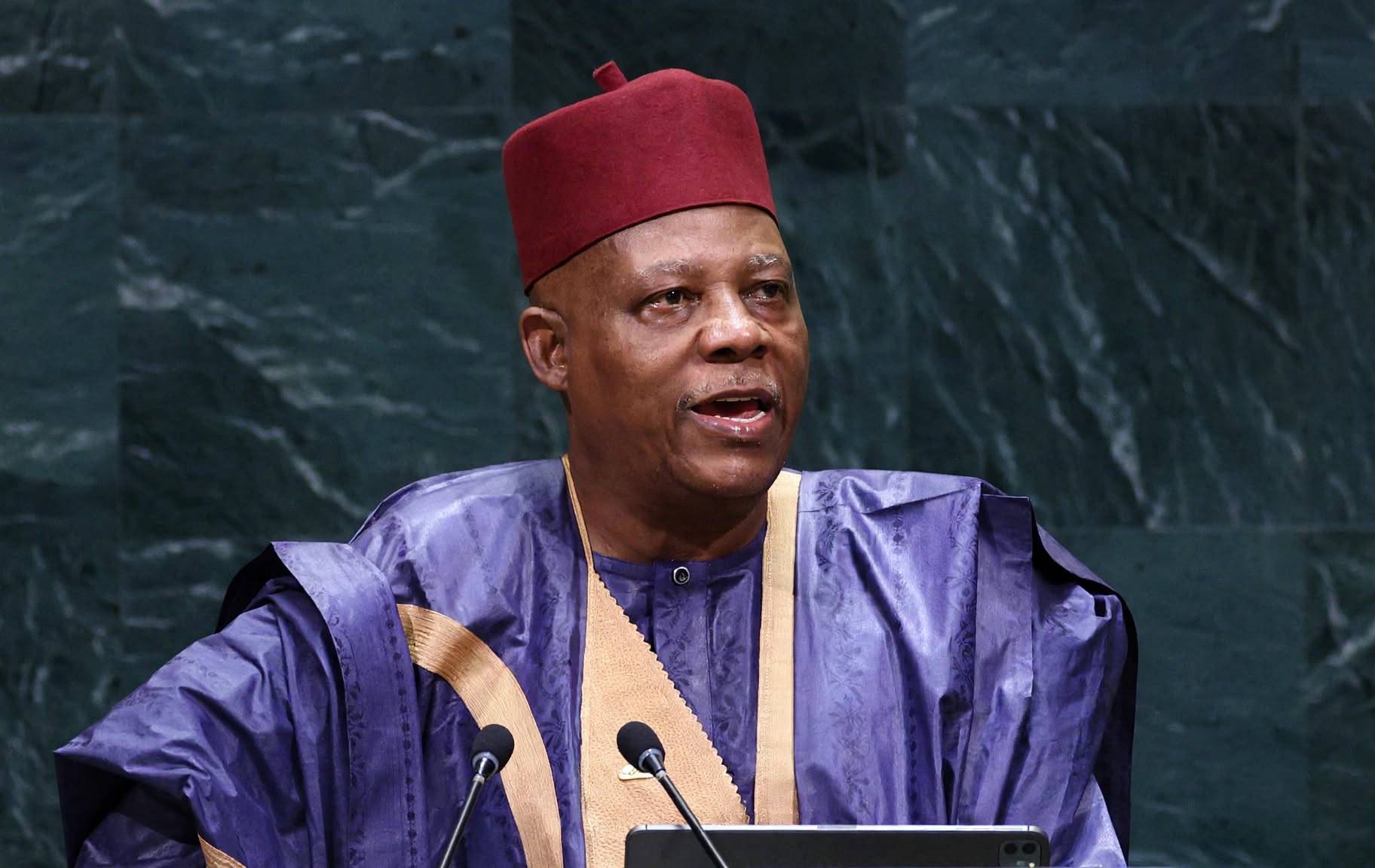
President Bola Tinubu made the demand in his address to the 81st United Nations General Assembly, delivered by Vice President Kashim Shettima in New York. Nigeria is seeking at least two permanent seats for Africa, with veto powers if the veto is retained, alongside five non-permanent seats.
The proposal is based on the African Union’s common position on Security Council reform, which seeks to give the continent a permanent voice in the body’s most consequential decisions. Africa currently has no permanent seat, despite being a major focus of United Nations peace and security operations.
Beyond Security Council reform, Nigeria used the General Assembly to call for changes to the international financial system, particularly greater access to affordable development financing and debt arrangements. The government argued that high debt-servicing costs are limiting the resources available to developing countries for infrastructure and social development.
Tinubu also linked global reform to Africa’s development priorities, including climate finance, energy access and industrialisation. Nigeria maintained that developing countries need greater access to technology and financing if they are to expand their economies while pursuing lower-carbon development.
The Nigerian government further highlighted the country’s role in regional peacekeeping and security efforts, including through the Economic Community of West African States and the African Union. It called for stronger international cooperation to address terrorism, conflicts and other threats that cross national borders.
The push comes as Security Council reform remains under discussion at the United Nations, with member states continuing negotiations on how the council should be expanded and made more representative.
For Nigeria, the campaign is therefore about more than securing additional seats. It is part of a broader effort to give African countries greater influence over decisions on security, development, finance and other issues that directly affect the continent.
