


Nigeria’s 18.3 Million Out-of-School Children Highlight Deepening Education Crisis
Nigeria has approximately 18.3 million children of primary and junior secondary school age out of school, according to figures published by the United Nations Children’s Fund (UNICEF), underscoring the scale of the country’s education crisis.
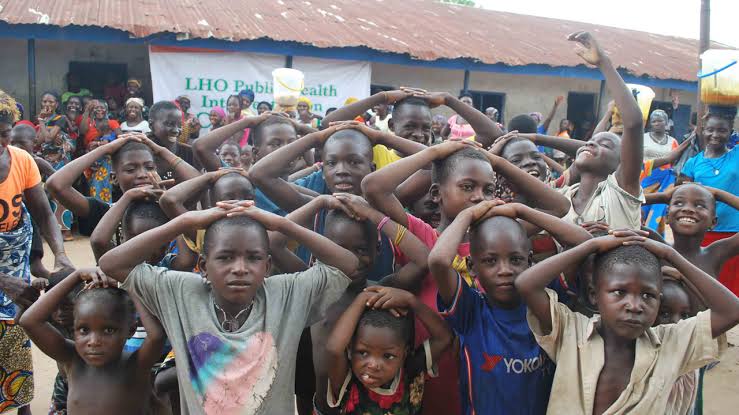
The figures, cited by UNICEF in 2024, comprise about 10.2 million children of primary school age and another 8.1 million of junior secondary school age. Together, they represent one of the largest out-of-school populations in the world. UNICEF has previously estimated that Nigeria accounts for more than 15 per cent of the global out-of-school population.
The crisis is driven by a combination of poverty, insecurity, displacement, inadequate school infrastructure and barriers to education in underserved communities. In parts of the North-East and North-West, attacks on schools and threats to teachers and pupils have disrupted learning and forced some institutions to close.
Economic pressures also keep children away from classrooms, as some families struggle to afford education-related costs or rely on children to contribute to household income. Girls face additional obstacles in some communities, including early marriage, gender discrimination and limited access to safe learning environments.
The consequences extend beyond school attendance. UNICEF reported in September 2024 that 74 per cent of Nigerian children aged seven to 14 lacked basic reading and mathematics skills, highlighting a learning crisis alongside the challenge of getting children into school.
Although Nigeria’s Universal Basic Education programme guarantees free and compulsory basic education, persistent funding constraints, uneven implementation and poor learning conditions continue to limit access and educational outcomes.
Addressing the crisis will require more than enrolling children. Education advocates have called for safer schools, stronger investment in teachers and facilities, targeted support for vulnerable households and flexible learning opportunities for children affected by conflict and displacement.
With millions of children missing out on formal education, the challenge remains central to Nigeria’s efforts to reduce poverty, improve security and build a skilled workforce for the future.
