


Nigeria’s Blood Donation Gap Raises Alarm as National Collection Falls Far Below Demand
Nigeria’s blood supply remains critically inadequate, with the National Blood Service Agency (NBSA) reporting that its centres collected only about 24,000 to 25,000 units in 2025, highlighting the urgent need to expand voluntary donations across the country.
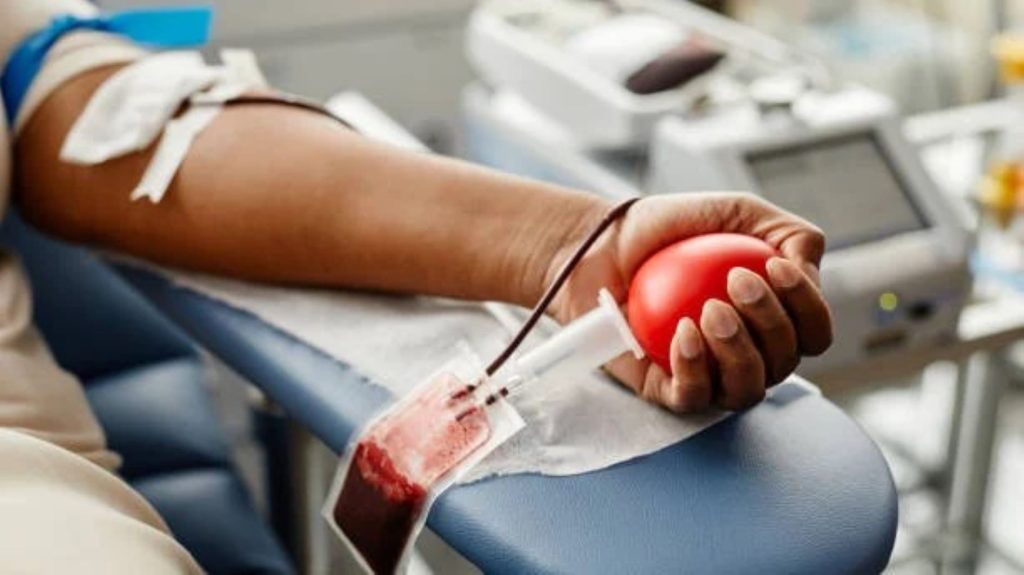
The agency said Nigeria requires between 1.8 million and two million units of blood annually to meet medical needs, including childbirth emergencies, surgeries, road accidents and the treatment of patients with sickle cell disease and cancer. Speaking through its Head of Operations Centre, Dr Aliyu Dahiru Waziri, at a media roundtable in Abuja, NBSA Director-General, Professor Saleh Yuguda, said at least two per cent of the population would need to participate in blood donation to help close the supply gap. The World Health Organisation also reported that Nigeria collected 371,827 units in 2024, while voluntary donations rose from 12,568 in 2024 to 16,344 in 2025.
Beyond encouraging more Nigerians to donate, the agency is working to strengthen the safety and distribution of available blood. Waziri disclosed that the NBSA was introducing a digital National Blood Management System to track donated blood from collection to transfusion, improve traceability and identify possible complications. The agency is also tightening the regulation of public and private blood banks and expanding partnerships with registered hospitals to ensure proper storage, transportation and distribution.
Health communication advocates at the meeting urged journalists to challenge misconceptions that discourage donation, including fears that giving blood causes permanent weakness or infertility. They also called for sustained public awareness campaigns, improved hospital infrastructure and government support to make blood more accessible to patients. The NBSA further disclosed plans to develop stem cell and blood banking services, including a potential donor database and cord blood preservation, as part of broader efforts to strengthen the country’s transfusion and treatment capacity.
