


West African Migrant Arrivals in Europe Drop 59% as Dangerous Routes Claim More Lives
The number of migrants from four West African countries arriving in Europe by sea fell by 59 per cent in the first half of 2026, even as dangerous migration routes continue to claim lives, according to the International Organization for Migration (IOM).
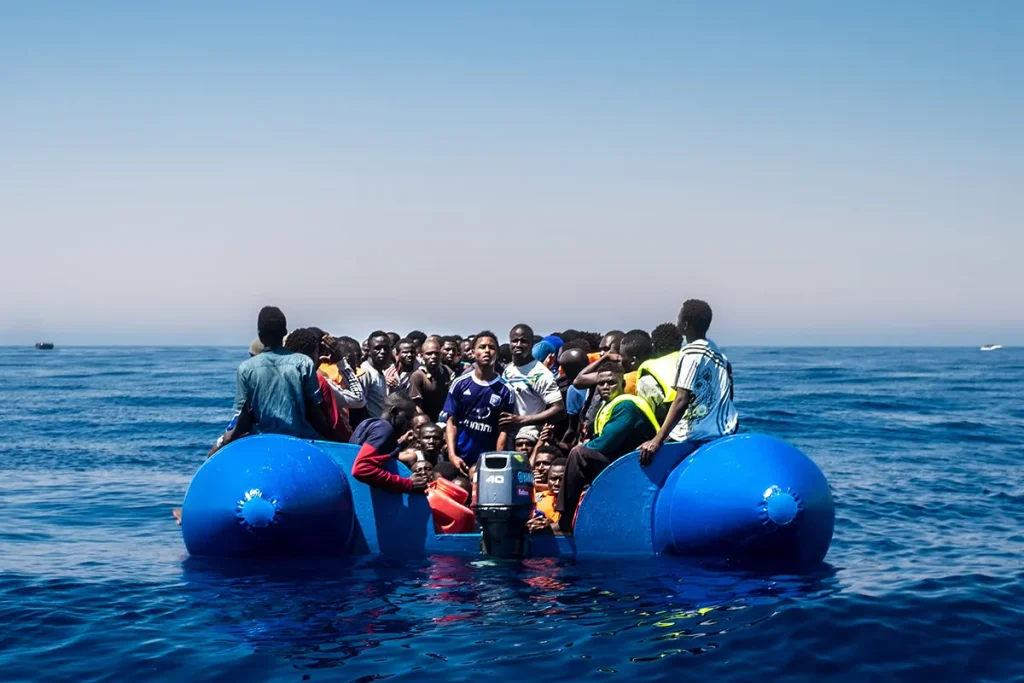
In a report published on October 13, the UN migration agency said 4,566 people from Mali, Senegal, Guinea and The Gambia reached Europe by sea between January and June 2026, compared with a significantly higher number during the same period in 2025.
Malians accounted for the largest share of arrivals, with 1,589 people, followed by Senegalese nationals at 1,184, Guineans at 1,076 and Gambians at 919. Together, the four nationalities represented 77 per cent of West African arrivals along the Western African Atlantic, Western Mediterranean and Central Mediterranean routes.
Spain remained the principal destination for many migrants, particularly those travelling along the Atlantic route towards the Canary Islands.
However, the decline in arrivals does not necessarily mean fewer people want to migrate. The IOM warned that migration pressures remain, while stricter border controls and changing travel patterns can push people towards alternative and potentially more dangerous routes.
“The factors that drive migration remain, and dangerous journeys continue across multiple routes,” the agency said, highlighting the need to address migration across the entire journey rather than focusing only on arrivals in Europe.
The risks are particularly severe along the Atlantic route, where migrants frequently undertake lengthy sea crossings in overcrowded boats vulnerable to rough weather, mechanical failure and shortages of food and water.
In 2025, 17,788 migrants reached Spain’s Canary Islands through irregular sea crossings from the coasts of West and North Africa, a 62 per cent decrease from 46,843 recorded in 2024. The IOM documented more than 1,200 deaths and disappearances along the route during 2025.
The latest figures underscore the continuing challenge facing European and African governments: reducing dangerous journeys while addressing the economic hardship, insecurity and limited opportunities that drive people to leave their home countries.
