


DR Congo to Receive 70,000 Ebola Vaccine Doses as Deadly Outbreak Escalates
The Democratic Republic of Congo is set to receive 70,000 doses of the Ervebo Ebola vaccine as health authorities and international partners intensify efforts to contain the country’s deadliest recorded Ebola outbreak.
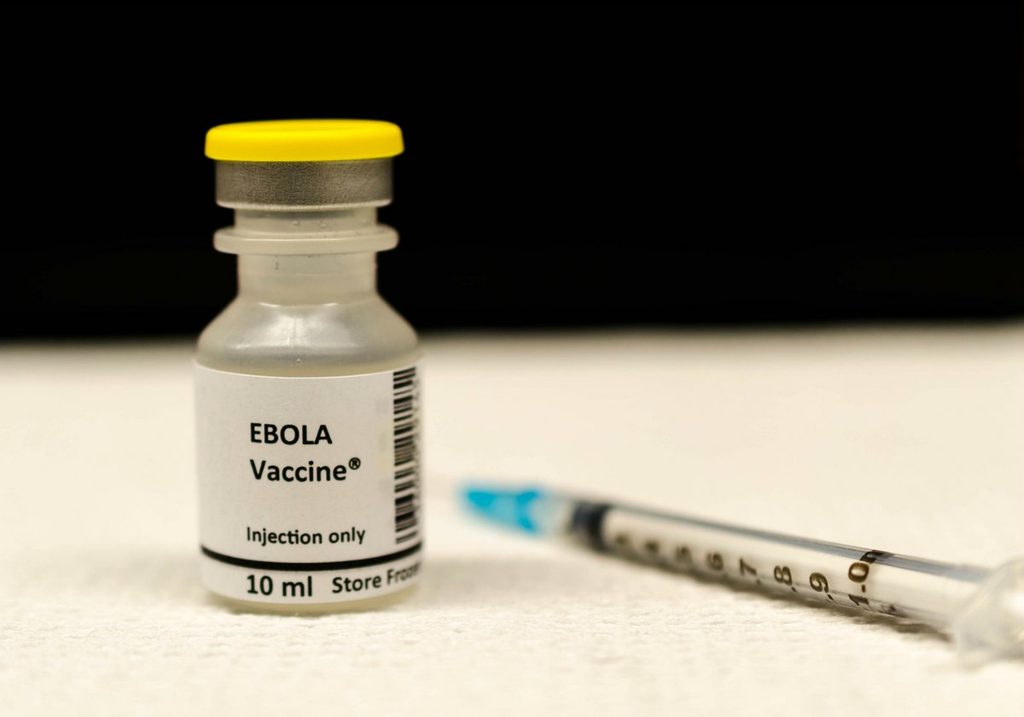
The allocation was approved by the International Coordinating Group (ICG) on Vaccine Provision, following a request from the Congolese government. The World Health Organization (WHO) said the doses will be divided between a clinical trial and protection of people working on the frontline of the outbreak.
Of the total allocation, 20,000 doses will be used in a Phase 3 clinical trial to determine whether Ervebo can provide protection against the Bundibugyo virus, the strain responsible for the current outbreak. The remaining 50,000 doses will be administered to frontline and healthcare workers, following recommendations from the WHO’s Strategic Advisory Group of Experts on Immunization (SAGE).
The deployment comes with an important scientific caveat.
Ervebo is licensed and recommended for protection against Zaire ebolavirus, but the current outbreak in the DRC is caused by the Bundibugyo virus, a different Ebola species for which there is currently no approved vaccine or specific treatment.
Scientists do not yet know how effectively Ervebo protects against Bundibugyo Ebola. However, WHO says early laboratory and animal studies suggest that the vaccine may provide some protection, making the clinical trial particularly important.
The trial could therefore provide critical evidence while the vaccine is simultaneously being used to protect those at highest risk of exposure.
The vaccination effort comes as the outbreak continues to spread rapidly.
According to the latest figures reported by the Associated Press, the outbreak has recorded 5,208 confirmed cases and 2,476 deaths, making it the deadliest Ebola outbreak in the DRC’s history.
The scale of the crisis has already surpassed the country’s previous major Ebola outbreaks. The 2018–2020 Kivu and Ituri outbreak, previously the country’s largest, recorded about 3,470 cases and 2,287 deaths.
The current outbreak is being described by health officials as one of the fastest-growing Ebola outbreaks ever recorded, with transmission complicated by insecurity, population displacement, fragile health infrastructure and difficulties tracing people who have come into contact with infected patients.
WHO and the Africa Centres for Disease Control and Prevention (Africa CDC) have welcomed the vaccine allocation, saying it provides an additional tool to protect affected communities and healthcare workers while generating scientific evidence about the Bundibugyo virus.
The ICG has managed the global emergency Ebola vaccine stockpile since 2021. Before the latest allocation, more than 56,000 Ervebo doses had been allocated to Ebola outbreaks in the DRC, while another 167,000 doses had been used in preventive vaccination campaigns for health and frontline workers in several African countries through July 2026.
The latest deployment is therefore both a public-health intervention and a scientific effort to determine whether an existing Ebola vaccine can help against a strain for which the world currently has no licensed vaccine.
For the DRC, however, the immediate priority remains stopping transmission and protecting communities as the outbreak continues to claim lives.
