


Cement price surge: Why owning a home is becoming harder for Nigerians
The dream of owning a home is moving further out of reach for many Nigerians as the rising and unpredictable cost of cement continues to push up the price of construction. A 50kg bag of cement is selling for as much as ₦15,000 in some markets, adding another layer of pressure to households already struggling with high living costs. Recent industry reports have linked the surge to supply constraints, energy expenses, logistics challenges and wider cost pressures across the construction sector.
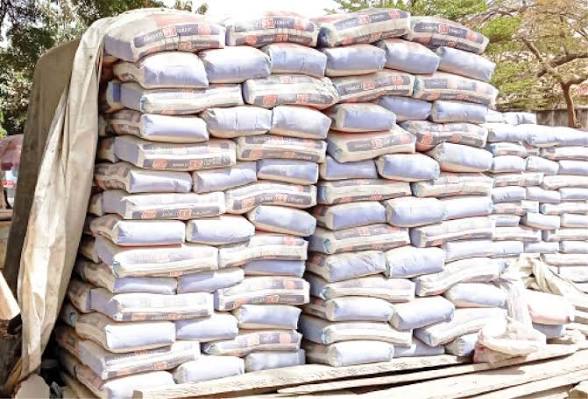
For prospective homeowners, the increase goes beyond the price of a single bag. Cement is a major component of residential construction, meaning repeated price increases can quickly alter the budget for a building project. Developers facing higher input costs may postpone projects, reduce the scale of new developments or transfer the additional expenses to buyers through higher property prices. Those unable to build may instead remain in the rental market, where rising construction costs can also contribute to higher rents.
The pressure is being felt across the wider building-materials chain. Industry stakeholders have pointed to expensive energy, transportation, foreign exchange-related costs, taxes, levies and poor infrastructure as factors that can raise the final price paid by consumers. There are also concerns about competition and pricing practices in the cement market, with the Federal Competition and Consumer Protection Commission investigating the industry amid questions about whether market conditions are contributing to the unusually high prices.
For a country already facing a severe shortage of affordable housing, the implications are significant. The issue is no longer simply about how much a bag of cement costs, but whether ordinary Nigerians can continue to save enough to complete a home before the next increase changes the entire calculation. Greater competition, more predictable pricing, lower production and distribution costs and investment in alternative construction methods could help ease the pressure. Until then, every cement price surge risks pushing the goal of homeownership another step away for millions of Nigerians.
