


China tells citizens to leave Eswatini, citing ‘extremely high’ security risks
China has advised its citizens and institutions in Eswatini to leave the southern African kingdom as soon as possible, citing what it described as “extremely high” security risks.
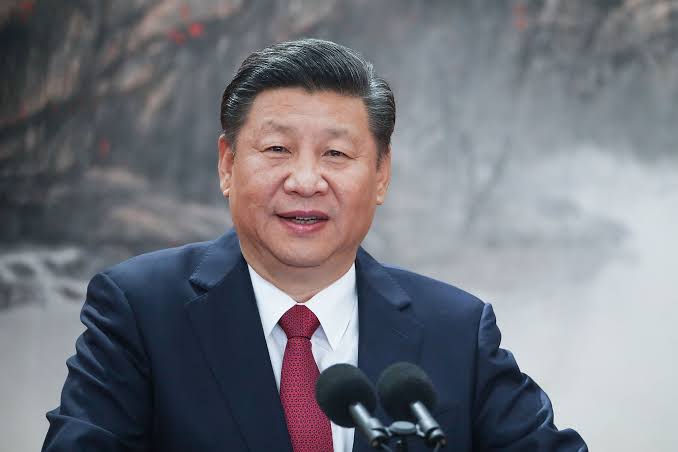
In a notice issued by China’s Foreign Ministry, Beijing warned Chinese nationals against travelling to Eswatini and urged those already in the country to relocate to safer areas, including neighbouring South Africa. It cited what it described as widespread cyber fraud and illegal online gambling activities.
The warning comes after Eswatini authorities detained dozens of Chinese nationals as part of a wider crackdown on alleged online gambling, extortion and cyber-fraud networks. Local reports said more than 100 foreign nationals had been arrested during raids, including at least 40 Chinese citizens.
However, the Eswatini government has rejected Beijing’s assessment, describing the claim that the country presents a serious security risk as unsupported and regrettable. A government source said more than 200 Chinese nationals live and work in Eswatini, mainly in sectors including textiles, retail and restaurants.
The warning is particularly significant because Eswatini is the only African country that maintains formal diplomatic relations with Taiwan rather than Beijing. It is among Taiwan’s remaining 12 diplomatic allies worldwide.
China considers Taiwan part of its territory and has spent years persuading countries that recognise Taipei to switch diplomatic relations to Beijing. China and Eswatini have never established formal diplomatic relations.
The latest warning also follows Taiwanese President Lai Ching-te’s visit to Eswatini in May. Taiwan had accused Beijing of trying to disrupt the trip by pressuring neighbouring countries over airspace permissions. Beijing rejected those allegations.
While China has officially linked the evacuation advice to crime and security concerns, the timing has added a geopolitical layer to the development, given Eswatini’s unique diplomatic relationship with Taiwan and the continuing competition between Beijing and Taipei for international recognition.
For now, Eswatini maintains its ties with Taiwan, while China continues to have no diplomatic relations with the kingdom.
