


Nigeria’s Government Approves ₦70,000 Monthly Transport Allowance for Workers for Six Months
The Federal Government has approved a monthly transport allowance of ₦70,000 for public service workers for six months, beginning in November 2026, following negotiations with the Nigeria Labour Congress (NLC).
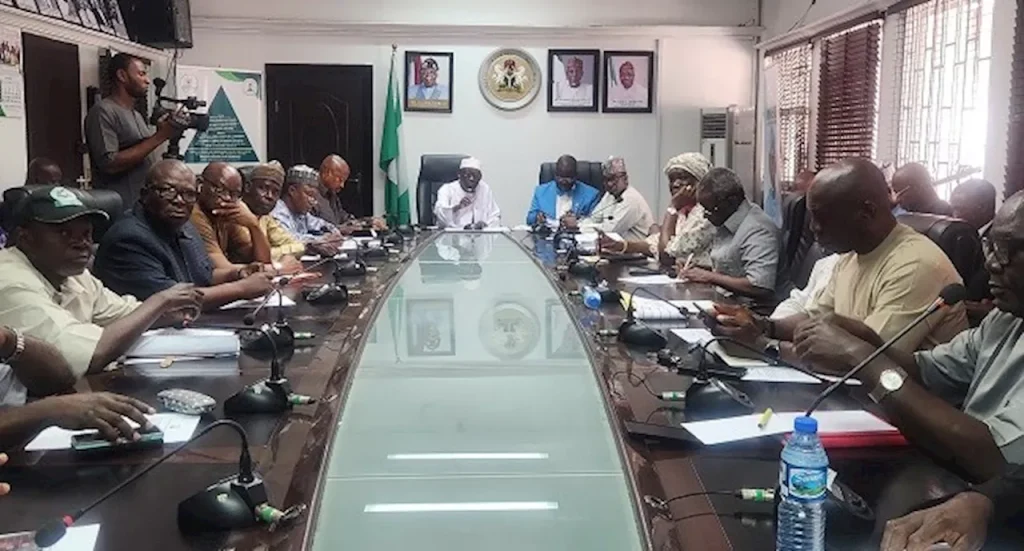
The agreement was reached on Tuesday, October 27, during a conciliation meeting in Abuja convened to address workers’ concerns over rising living costs, outstanding allowances and the implementation of wage agreements.
According to a memorandum of understanding signed by government and labour representatives, the transport intervention will apply across all levels of the public service for the six-month period. The document did not specify the exact monthly payment dates or detailed disbursement arrangements.
The government also approved the payment of outstanding peculiar allowance arrears dating from May 1, 2026. The arrears are scheduled to be paid in three equal monthly instalments beginning in November.
For health workers, the government agreed to settle 19 months of outstanding allowance arrears within three months, starting in December 2026.
However, the government and labour representatives did not reach an agreement on the effective date for implementing the national minimum wage. Both parties agreed to establish a Minimum Wage Negotiation Committee and begin discussions immediately.
Other issues addressed at the meeting included proposed adjustments to health workers’ salaries, hazard allowances for agricultural officers and tax relief for workers.
The agreement follows weeks of pressure from organised labour over petrol prices, declining purchasing power and the implementation of outstanding welfare commitments.
The government and the NLC are expected to reconvene after one month to review progress on implementing the resolutions. State and local governments were also urged to participate in the intervention process.
The agreement offers temporary financial relief to eligible public service workers, although several major labour demands remain unresolved.
