


Paper Industry Collapse Leaves Thousands Jobless as Nigeria Relies on Imports
Nigeria’s paper industry crisis is now being felt most sharply through job losses, with an estimated 300,000 employment opportunities wiped out as local production collapses and imports take over the market.
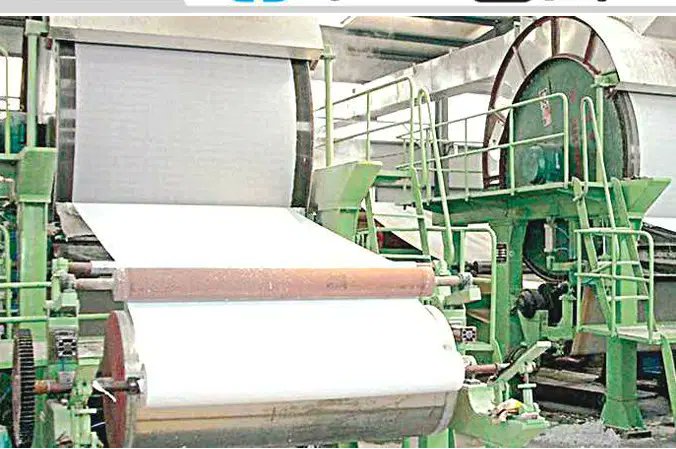
What was once a promising industrial sector that supported manufacturing, printing, and packaging jobs has now become largely inactive. Most of the country’s paper needs are now met through imports, leaving little room for local factories to operate or employ workers.
The shutdown of major paper mills over the years has had a direct impact on employment. Workers who were once engaged in production, maintenance, logistics and administration in these factories have been forced out of jobs, with many unable to find similar work in the sector again.
At its peak, the industry provided steady employment across different skill levels, from factory workers to engineers and technicians. These jobs also supported indirect employment in transport, raw material supply and printing businesses. Today, most of these roles have disappeared as production activities have ground to a halt.
Experts say the collapse has created a ripple effect beyond the factories themselves. Printing presses, publishing companies and packaging firms now depend on imported paper, which is more expensive and less stable, leading to reduced operations and fewer hiring opportunities.
The absence of local production has also blocked new job creation. Instead of expanding factories and hiring more workers, Nigeria now spends billions on imports, while employment opportunities continue to shrink in the sector.
Analysts note that the industry still has strong potential to generate jobs if revived. With proper investment, Nigeria could rebuild its paper value chain, create hundreds of thousands of direct and indirect jobs, and reduce dependence on foreign suppliers.
For now, however, the reality is a sector that once provided widespread employment has turned into one of the country’s biggest examples of industrial job loss.