


Botswana Completes Legal Shift as Colonial-Era Ban on Same-Sex Conduct Is Removed
Botswana has completed the removal of laws that once criminalised consensual same-sex relationships, formally aligning its legal code with earlier court rulings that had already struck down the provisions.
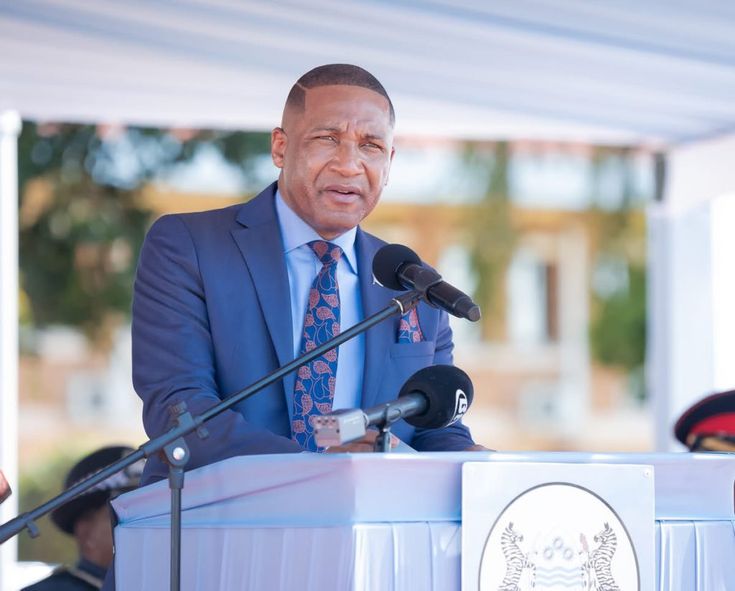
The change follows a series of landmark judicial decisions beginning in 2019, when the High Court ruled that sections of the penal code criminalising same-sex conduct were unconstitutional, citing violations of rights to privacy, dignity, and equality. The ruling was later upheld by the Court of Appeal in 2021, cementing the legal position that consensual adult same-sex relationships cannot be criminalised.
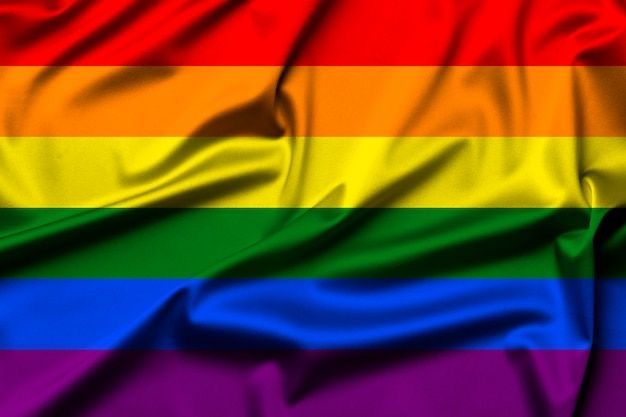
The latest step is largely procedural, involving the deletion of the invalidated clauses from the statute books to ensure consistency between written law and court rulings already in force.
While same-sex relationships have effectively been legal for several years, the formal removal of the provisions is being viewed as the final closure of a colonial-era legal framework that many rights advocates argued no longer reflected constitutional protections.
The development places Botswana among a small number of African countries where decriminalisation has been achieved through judicial interpretation rather than legislative overhaul, reflecting the growing role of courts in shaping rights-based reforms across the region.
Beyond the legal adjustment, analysts say the move highlights a broader tension across parts of Africa between evolving constitutional rights frameworks and socially conservative norms, where legal change often progresses faster than public attitudes.
For Botswana, the decision is less about introducing new rights and more about finalising a legal transition that has been unfolding over several years through the judiciary rather than parliament.
