


Children Bear the Brunt of Sahel Crisis as Millions Face Hunger and Hardship
Children across the Sahel region are increasingly becoming the hardest hit by a worsening humanitarian crisis that continues to spread across Mali, Burkina Faso, and Niger, UNICEF has warned.
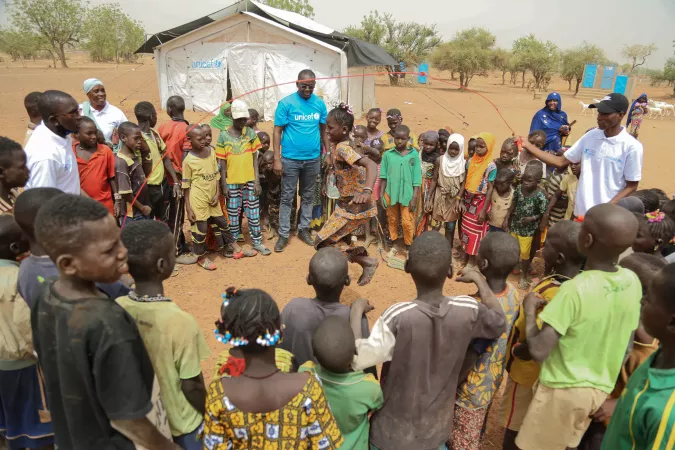
An estimated 7.5 million children are in urgent need of humanitarian support as conflict, displacement, hunger, and climate related shocks combine to disrupt their daily survival.
For many children, life in the Sahel is now defined by uncertainty. Families have been forced from their homes, schools have been shut down in thousands of communities, and access to basic healthcare remains limited or unavailable in many areas. In some places, children are growing up without stable shelter, regular meals, or safe learning environments.
The situation is further worsened by ongoing insecurity, which has led to repeated attacks in several communities. This has not only caused loss of lives but has also made it difficult for children to attend school or move freely without fear.
International child protection standards also emphasize that children must not be deprived of their basic rights even in times of crisis. Under the United Nations Convention on the Rights of the Child, every child has the right to education, healthcare, and access to essential social services. It also places a duty on states to protect children from violence, ensure access to learning, and support their physical and mental development regardless of conflict or displacement. In the Sahel context, these rights are increasingly under pressure as insecurity and weak infrastructure limit access to schools, hospitals, and safe living conditions.
UNICEF says thousands of schools remain closed or inaccessible, cutting off children from education and exposing them to greater risks, including recruitment by armed groups and long term psychological trauma. More than 1,500 grave violations against children have been recorded, reflecting the severity of the crisis.
At the same time, displacement continues to rise, with millions of people forced to leave their homes. Children in these displaced communities often face overcrowding, poor nutrition, and limited access to clean water and sanitation.
Despite some efforts by governments to improve education, health services, and child protection systems, UNICEF warns that the scale of suffering remains overwhelming. Many interventions are not reaching the most affected rural and conflict zones where children are most vulnerable.
The agency is calling for urgent humanitarian support, stressing that children in the Sahel are not just statistics but lives being shaped by crisis every day. It warns that without immediate and sustained action, an entire generation risks being left behind.
