


President Trump’s Anniversary Speech Sparks Civil Liberties Concerns
Concerns over civil liberties and democratic freedoms have intensified after former United States President Donald Trump used the country’s 250th anniversary celebration to advocate stricter voting regulations and warn against what he described as the growing threat of communism.
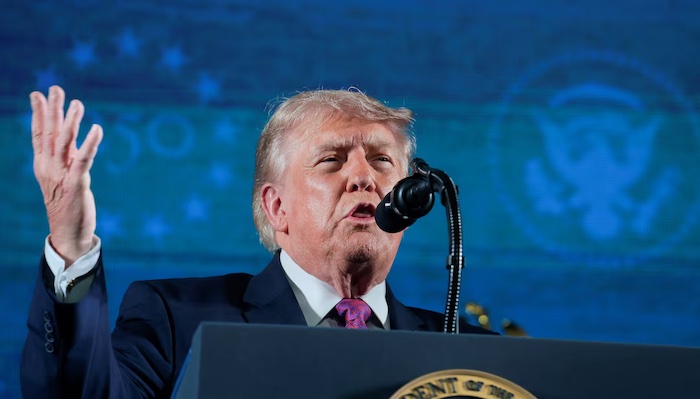
Speaking at a high-profile event held on the National Mall in Washington, D.C., Trump delivered a politically charged address that blended patriotic themes with policy proposals and ideological warnings. The event, which drew thousands of attendees despite extreme weather conditions, marked a significant moment in the ongoing debate over voting rights and political expression in the United States.
During the address, Trump called for tighter election laws, including measures that would require proof of citizenship for voter registration and impose further restrictions on mail-in voting. Rights advocates have consistently warned that such proposals could disenfranchise vulnerable groups, particularly minorities and low-income citizens, raising concerns about equal access to the democratic process.
In addition to electoral issues, Trump framed communism as an urgent ideological threat, urging swift and decisive action to prevent its spread. Analysts note that such rhetoric, while resonating with segments of the population, risks deepening political divisions and fostering fear-based narratives within an already polarised society.
The speech also highlighted what Trump described as key national achievements, while drawing criticism for blurring the line between state functions and political campaigning.7 Observers argue that the increasing politicisation of national events could undermine their unifying purpose and erode longstanding democratic traditions.
The anniversary celebration itself reflected these tensions. While designed to commemorate a historic milestone, the event featured elements associated with partisan interests, prompting some states and public figures to distance themselves. Several participants reportedly withdrew over concerns about the direction and tone of the programme.
Human rights observers have emphasised that the developments surrounding the event underscore broader questions about governance, inclusivity, and the protection of fundamental freedoms. They stress the need for policies that uphold democratic principles while ensuring that national celebrations remain spaces for collective unity rather than political division.
As debates continue, the anniversary event has become a focal point for discussions on the future of democratic values in the United States and the balance between national security, political ideology, and individual rights.7
