


Scientists Warn Invasive Urban Malaria Mosquito Is Rapidly Expanding Across Africa
Scientists are warning that the invasive mosquito Anopheles stephensi is spreading rapidly across Africa, posing a significant threat to major cities and potentially reversing years of progress in the fight against malaria. Recent genomic research has traced the mosquito’s spread from South Asia into Africa, where it is becoming established in urban areas previously considered at lower risk of malaria transmission.
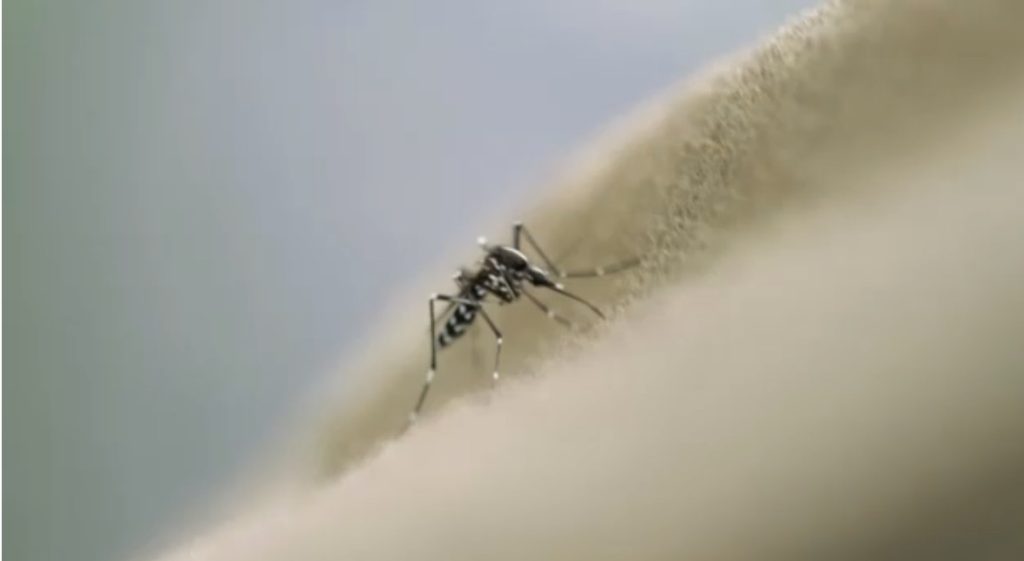
Unlike Africa’s traditional malaria-carrying mosquitoes, which are largely found in rural settings, Anopheles stephensi thrives in cities. It breeds in artificial water containers such as rooftop tanks, buckets, discarded tyres and construction sites, making densely populated urban centres particularly vulnerable. Scientists say its ability to adapt to human-made environments could expose millions more people to malaria.
Researchers have also raised concerns over the mosquito’s resistance to several commonly used insecticides. Genetic analyses suggest the invasive species may have arrived in Africa with insecticide-resistant traits, potentially reducing the effectiveness of existing malaria control measures such as insecticide-treated bed nets and indoor residual spraying.
First detected in Djibouti in 2012, Anopheles stephensi has since been identified in Ethiopia, Sudan, Eritrea, Somaliland, Kenya, Nigeria, Ghana and Niger, with scientists warning that its range is continuing to expand. The mosquito has already been linked to malaria outbreaks in urban areas, including Ethiopia, where it contributed to unexpected transmission in cities during the dry season.
The World Health Organization (WHO) has previously issued alerts over the species’ spread, urging African governments to strengthen surveillance, eliminate urban breeding sites and integrate mosquito control into water management and sanitation programmes. Public health experts say rapid urbanisation, inadequate drainage and poor waste disposal are creating favourable conditions for the mosquito’s establishment across the continent.
Malaria remains one of Africa’s deadliest infectious diseases, accounting for about 95% of global malaria cases and deaths. Scientists warn that without coordinated regional action, the continued spread of Anopheles stephensi could significantly increase the malaria burden in Africa’s fast-growing cities and undermine decades of disease-control efforts.