


Six Years After #EndSARS, Allegations of Police Abuse Persist in Nigeria
Six years after the #EndSARS protests brought police brutality into the national spotlight, allegations of unlawful arrests, torture, extortion and excessive use of force continue to raise questions about accountability and the pace of police reform in Nigeria.
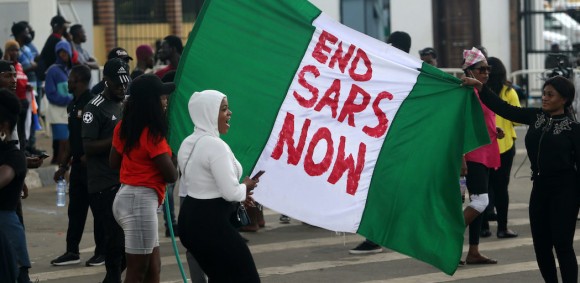
The latest concerns include a February 2026 report by Amnesty International accusing the Nigeria Police Force’s Anti-Kidnapping Unit, known as Tiger Base, in Imo State of serious human rights violations. The organisation documented allegations of torture, prolonged detention without charge, extortion and extrajudicial killings, and called for an independent investigation.
The concerns echo those raised after the October 2020 protests, when young Nigerians demanded an end to abuses associated with the now-disbanded Special Anti-Robbery Squad (SARS). The demonstrations became a nationwide movement calling for police accountability and broader reforms.
The government has since introduced measures intended to improve policing standards. In April 2026, the Federal Ministry of Police Affairs announced new police regulations designed to strengthen accountability, professional conduct, training and oversight. However, their impact will depend on effective implementation and enforcement.
The police have also maintained that SARS has been disbanded and pointed to reforms and retraining initiatives. Human rights advocates, meanwhile, argue that ending abusive practices requires more than changing policies or dissolving a unit: allegations must be investigated, victims must have access to justice, and officers found responsible must face accountability.
As Nigeria marks six years since #EndSARS, the central question remains whether reforms are translating into safer, more transparent and more accountable policing for ordinary citizens.